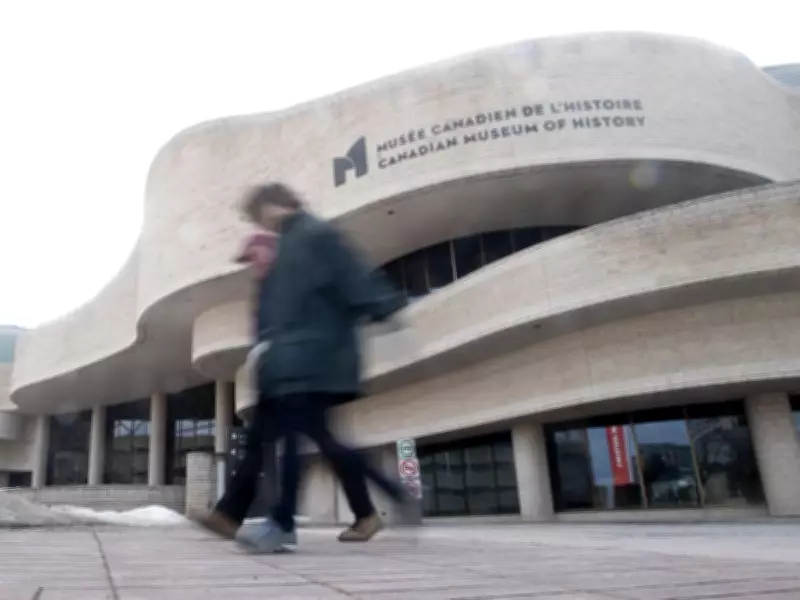
Federal Budget Cuts Trigger Significant Staff Reductions at National Museums
The Canadian Museum of History and the Canadian War Museum are implementing substantial workforce reductions as part of the federal government's comprehensive spending review. These cuts represent the latest challenge for Canada's cultural institutions, which have been grappling with funding constraints across various levels of government.
Scope of the Staff Reductions
The Canadian Museum of History, which oversees both national museums, announced this week that it will be reducing its permanent workforce by eighteen percent. This translates to a decrease from 371 to 304 employees, with managerial positions experiencing an even more significant reduction of twenty-four percent.
According to museum spokesperson Avra Gibbs-Lamey, these cuts result from reduced spending mandated by the government's expenditure review and efforts to address the museum's structural deficit. Budget 2025 requires the Museum of History to achieve savings of $17.7 million over the next four fiscal years, beginning with $2.4 million in the 2026-2027 period.

Impact on Museum Operations and Programming
Union representatives and museum professionals are expressing serious concerns about how these reductions will affect museum services and programming. Ruth Lau MacDonald, regional executive-vice president for the Public Service Alliance of Canada's National Capital Region, warned that "entire programs may be slashed" as a result of these workforce reductions.
Lau MacDonald highlighted that collections management teams are already experiencing significant cuts, with two of seven members being eliminated from one team responsible for millions of historical items. "If you consider the sheer size of the collection, there's bound to be impacts," she emphasized, pointing to potential consequences for artifact preservation, research, and exhibition development.
Broader Context for Canadian Museums
Michael Rikley-Lancaster, executive director and curator of the Mississippi Valley Textile Museum and president of the Ontario Museum Association, described the current environment as particularly challenging for publicly funded museums. "I think we're probably in one of the biggest struggles we've seen in history," he stated, reflecting on the broader pressures facing cultural institutions across Canada.
The spending cuts are affecting other national museums as well, including the Canadian Museum for Human Rights in Winnipeg and the Canadian Museum of Immigration at Pier 21 in Halifax, though these institutions have not yet disclosed specific job loss figures. Notably, other national museums located in Ottawa have been spared from similar reductions.
Museum Leadership's Response and Future Direction
Despite the workforce reductions, museum leadership maintains that their core mission will continue. Gibbs-Lamey explained that the decision followed "a careful review of operations" aimed at implementing "more modern and efficient ways of working." She affirmed that the museums remain "firmly focused on our national mandate" and will continue to "advance research, develop world-class exhibitions and public experiences, and present new and innovative ways for Canadians to engage with their history."
The Canadian Heritage department has deferred questions about the specific impacts to the museums themselves, indicating that operational decisions are being managed at the institutional level. As these workforce reductions take effect gradually over the coming years, museum professionals and cultural advocates will be closely monitoring how Canada's national history and military heritage institutions adapt to these financial constraints while maintaining their educational and preservation mandates.