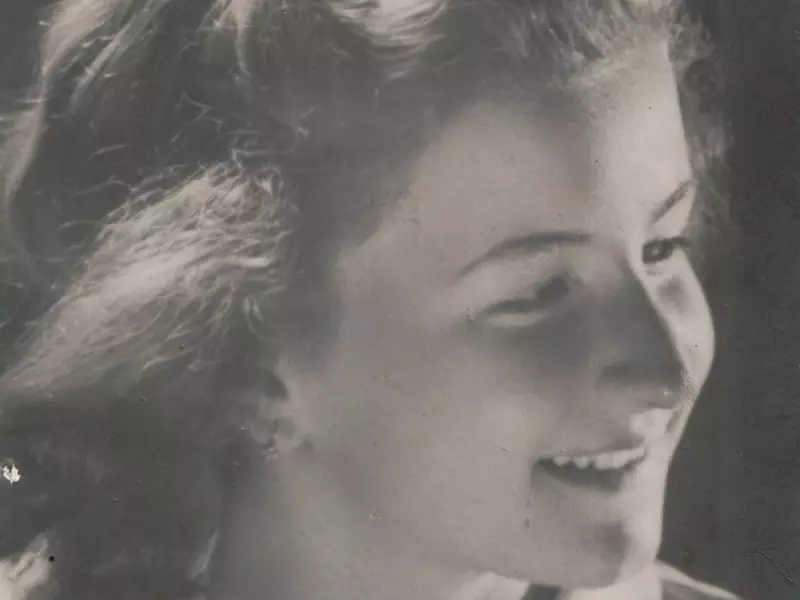
Holocaust Survivor Draws Chilling Parallels Between Nazi Era and Modern Canadian Antisemitism
Holocaust survivor Hedy Bohm, now 97 and living in Toronto, observes troubling similarities between the period preceding Nazi domination in Europe and contemporary antisemitic incidents occurring across Canada today. In a poignant reflection timed with International Holocaust Remembrance Day, Bohm shares her perspective while launching her memoir, Reflection, which details her harrowing experiences during the Second World War.
A Childhood Marked by Persecution
Bohm vividly recalls the moment her innocence was shattered in April 1944, when her mother sewed a yellow Star of David onto her coat. "I wasn't aware in the slightest of what was going on until that moment," she writes in her memoir. At just 15 years old, Bohm was forcibly removed from her home in Oradea, Romania, alongside her family and the local Jewish community, confined to a ghetto before being transported in cattle cars to the Auschwitz-Birkenau concentration camp in Poland.
It was at Auschwitz where Bohm lost both her parents, among the 1.1 million victims murdered at the notorious camp. She emphasizes that, in her small town, she and others were largely unaware of the broader atrocities unfolding across Europe, and even struggled to believe reports when they did surface. "And didn't believe it, even if we were told about it," she admits, highlighting the gradual normalization of hatred that preceded the Holocaust.

Modern Echoes of Historical Hatred
Bohm points to recent antisemitic events in Canada as echoes of this dangerous past. Early this year, swastikas were spray-painted on a synagogue in Winnipeg, a message calling for the death of Jews was graffitied under a bridge in Toronto, and an Alberta MP pushed for investigations into Canadians who served in the Israeli Defense Forces—a move condemned by a Jewish advocacy group as an "antisemitic witch hunt."
"Upon reflection, even though I was unaware at the time, I do notice parallels between the hate being aimed at the Jewish community back then, and in Canada now," Bohm states. However, she remains cautiously optimistic about the country's future, noting that "Canada is more aware of the world and what is going on in the world … than it used to be, which is wonderful."
A Journey of Survival and Silence
As the war neared its end, Bohm was transferred from Auschwitz to Fallersleben, Germany, to work at a Volkswagen ammunition factory. She was later moved to the Salzwedel camp, where American troops liberated her in April 1945. After the war, Bohm found it difficult to readjust to normal life but eventually married and immigrated to Canada, arriving at Halifax's Pier 21 before settling in Toronto to build a new life.
For decades, Bohm remained silent about her traumatic experiences. It was not until the early 2000s, when Iran's then-president denied the Holocaust during a United Nations speech, that she felt compelled to share her story. Since then, she has become an active voice in Holocaust education, providing witness testimony in trials of Nazi officials in Germany in 2014 and 2016, and participating in the March of the Living program at Auschwitz-Birkenau in 2023.
Lessons for a Hopeful Future
Bohm's memoir serves as both a personal testament and a warning. She stresses the importance of resilience and moral courage, advising that "you have to be strong yourself and stick to your ideals. You have to find strength to take an open stand for what you believe in." Her story underscores the need for vigilance against rising antisemitism while fostering hope through education and awareness.
As Canada commemorates International Holocaust Remembrance Day, Bohm's reflections offer a powerful reminder of the past's relevance to present challenges, urging Canadians to learn from history to build a more inclusive and compassionate society.