Holocaust Remembrance Day in Canada Highlights Gap Between Words and Action
As another Holocaust Remembrance Day passes in Canada, Jewish communities across the nation are expressing profound disappointment with what they perceive as empty rhetoric from political leaders and institutions. Despite powerful speeches and solemn ceremonies, many feel these words fail to translate into meaningful action against the alarming resurgence of antisemitism in contemporary society.
The Historical Context and Modern Parallels
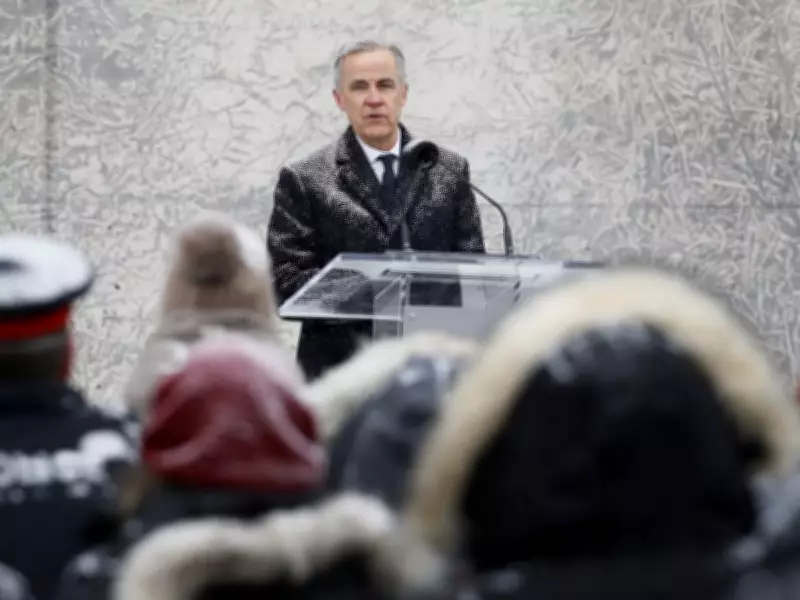
The recent commemoration at Ottawa's National Holocaust Monument, attended by Prime Minister Mark Carney, served as a stark reminder of historical atrocities while highlighting current challenges. The October 7 attacks have been described by some observers as part of a continuum of violent antisemitism that stretches back through centuries of persecution, including the Inquisition, Crusades, and pogroms, ultimately culminating in the systematic genocide of six million Jews during the Holocaust.
Approximately two-thirds of European Jews were murdered through various means during this dark period, including gas chambers, mass shootings in killing fields, and violence perpetrated by non-Jewish neighbors. This historical reality makes contemporary expressions of antisemitism particularly alarming for Jewish communities seeking genuine protection and support.

Institutional Hypocrisy and Contemporary Challenges
One of the most troubling aspects highlighted during this year's remembrance is what many describe as institutional hypocrisy. The United Nations, which was established in 1945 in the aftermath of the Holocaust, took sixty years to officially recognize the genocide with a dedicated day of remembrance. Today, paradoxically, the UN faces criticism for what some describe as institutional antisemitism through what they perceive as disproportionate targeting of Israel in resolutions and debates.
According to data from UN Watch, between 2015 and 2024, the UN General Assembly adopted 173 resolutions against Israel compared to 80 against all other countries combined. Similarly, the UN Human Rights Council adopted 112 resolutions against Israel during this period, far exceeding those against countries with documented human rights violations.
The Survivors' Legacy and Contemporary Responsibility
Holocaust survivors like Max Eisen, who dedicated their lives to educating future generations about the dangers of hatred, represent what many consider the moral compass of our time. These individuals spent decades speaking to students, teachers, law enforcement, and community groups, not only about antisemitism but about all forms of hatred and discrimination.
Their efforts were a race against time to inoculate society against the inevitable resurgence of prejudice. They became living embodiments of resilience and moral clarity, having faced unimaginable evil yet emerging as advocates for human dignity and interfaith understanding.
The Call for Meaningful Action
As Canada reflects on Holocaust Remembrance Day, Jewish communities are calling for more than symbolic gestures and commemorative speeches. They seek concrete policies, educational initiatives, and institutional reforms that address the root causes of antisemitism and provide genuine protection against hatred.
The post-Holocaust period, often remembered as a brief respite from violent antisemitism, represented a time when the world seemed to genuinely absorb the lessons of history. Today, many fear that this understanding has eroded, replaced by what they describe as empty promises of "never again" while antisemitism continues to manifest in new and dangerous forms.
The challenge for Canadian society, according to community advocates, is to move beyond ceremonial remembrance and toward substantive action that honors both the memory of Holocaust victims and the legacy of survivors who dedicated their lives to building a more compassionate world.