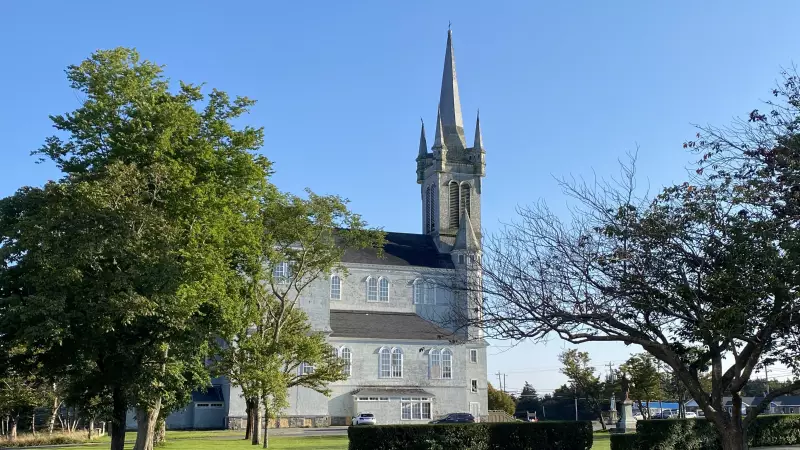
The future of a significant piece of Nova Scotia's religious and architectural heritage is now the subject of a landmark agreement. The Archdiocese of Halifax-Yarmouth and a local heritage organization have taken a major step toward a potential change in stewardship for the historic Saint-Marie Church.
A Memorandum of Understanding for Preservation
On December 18, 2025, the two parties formally signed a memorandum of understanding (MOU). This document does not finalize a sale or transfer but establishes a formal framework for negotiations. The core idea being explored is a possible ownership swap, a unique arrangement that could see the heritage group assume responsibility for the church building itself.
The Saint-Marie Church is a cornerstone of its community, having first opened its doors in 1905. For over a century, it has served as a place of worship and a community gathering point. However, like many historic religious buildings, its long-term maintenance and adaptation present significant challenges for the archdiocese.

Details of the Historic Saint-Marie Church
The church is a recognized heritage asset, valued for its architectural design and its deep roots in the local cultural landscape. The specific heritage group involved in the MOU has not been publicly named in initial reports, but such organizations are typically dedicated to the conservation and adaptive reuse of historic structures.
The signing of this agreement indicates a shared desire to find a sustainable future for the building that respects both its sacred past and its potential new uses. An ownership swap could allow the archdiocese to focus resources on its active parish communities while ensuring the physical preservation of the Saint-Marie Church is entrusted to specialists in heritage conservation.
Potential Outcomes and Community Impact
While details of what an "ownership swap" might entail precisely are still under discussion, such arrangements often involve the heritage group taking title to the building and land. In return, the archdiocese might secure certain rights, such as continued occasional use for religious services or a financial consideration.
The primary goal is to prevent the deterioration or loss of the 120-year-old structure. Successful heritage adaptations can see historic churches transformed into cultural centers, concert halls, community archives, or multi-purpose spaces, thereby injecting new life into them while preserving their historic character.
This move in Nova Scotia reflects a broader national trend where religious institutions and heritage advocates are partnering to creatively address the future of underused historic churches. The MOU signals a proactive and collaborative approach, aiming to find a solution before a crisis in maintenance or funding forces more drastic decisions.
The next steps will involve detailed feasibility studies, architectural assessments, and community consultation to determine if a full agreement is viable and what form it should take. The eyes of preservationists and community members will now be on this process, hoping it provides a model for safeguarding other historic places of worship across Canada.