Historic Duff-Baby House in Windsor Completes Major $2 Million Restoration
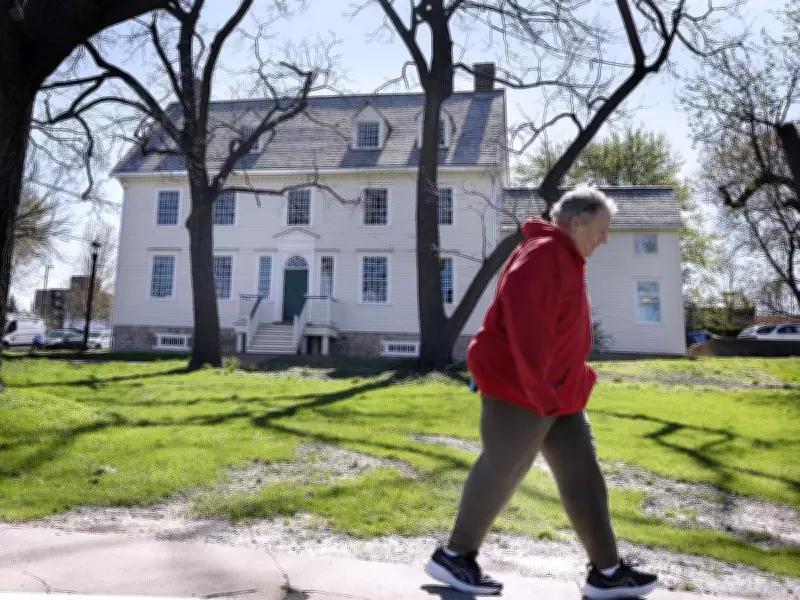
Windsor's iconic Duff-Baby House, the oldest building in Canada west of Toronto, has emerged from a comprehensive $2 million restoration project ready to welcome visitors once again. The historic 1798 manor in Sandwich Town underwent more than two years of meticulous conservation work designed to preserve its architectural integrity for generations to come.
Preserving Windsor's Living History
Built in 1798 along the Detroit River at 221 Mill Street, the Duff-Baby House represents a tangible connection to Windsor's earliest days. The structure witnessed pivotal moments in Canadian history, including occupation by American troops during the War of 1812 and association with Shawnee chief Tecumseh. "You can learn a lot about the history of Windsor through just looking at the Duff-Baby House," explained Ashleigh Bell, capital project manager at Ontario Heritage Trust, during a presentation at Mackenzie Hall.
The restoration project, which began in January 2024, faced unexpected challenges when structural issues were discovered during roof work in December 2024. This discovery pushed back the completion timeline and increased the project cost from the originally projected $1.45 million to just under $2 million. Funding came from the Ontario government's capital repair and rehabilitation program combined with capital reserve funds held by Ontario Heritage Trust.

Meticulous Restoration Details
The comprehensive restoration focused on both structural integrity and historical accuracy. Key improvements included stabilization of the front porch, installation of a new cedar shingle roof, and specialized "Dutchman" repairs to exterior paneling. This traditional woodworking technique involved replacing deteriorated sections of the building's paneling and trim with custom-fitted pieces of wood.
Perhaps most notably, the entire exterior received a fresh coat of "historical white" paint—a creamier hue created from chalk and binder that reflects early 19th-century practices more accurately than modern titanium white paints. "Many heritage buildings do require periodic generational investment in terms of preservation," Bell noted. "And obviously some heritage materials have a life cycle, which means windows are due for restoration, woodwork due for restoration refinishing, roofing needs to be replaced over time."
Architectural Integrity Maintained
Throughout the restoration process, preservation of the building's historical character remained paramount. "When making necessary upgrades to the house, the emphasis was on preserving the building's historical character," emphasized Deb Westman, architect at +VG Architects. This approach ensures that while the structure receives modern reinforcement, its authentic 18th-century appearance remains intact.
The project represents the first major investment in the house since 1994, when Ontario Heritage Trust previously undertook significant restoration work. The newly completed upgrades position the landmark to continue serving as an educational resource and cultural touchstone for Windsor residents and visitors alike.
Looking Toward the Future
Bell highlighted the ongoing relevance of the Duff-Baby House to contemporary Windsor: "Windsor has a really fascinating history and there's stuff even that's in play today in terms of economy and trade ... (where) we can look back to the Duff-Baby period, and those things were also at play."
With the restoration now complete, the Duff-Baby House stands ready to begin its next chapter—equipped to endure for what project leaders hope will be another 200 years of Windsor history. The building's reopening to the public marks not just the conclusion of a preservation project, but the continuation of a living connection to Canada's early settlement era in southwestern Ontario.