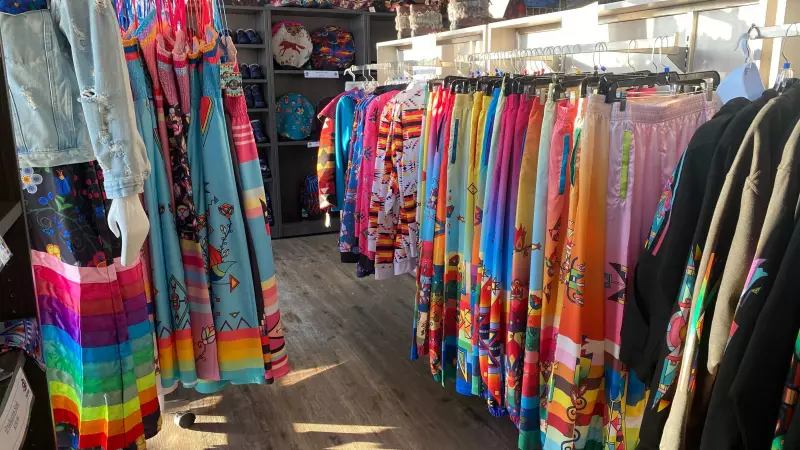
In the heart of Edmonton, a powerful movement of cultural reclamation is unfolding, with the traditional ribbon skirt serving as its vibrant emblem. As documented on January 4, 2026, these garments are more than just clothing; they represent a profound reconnection to heritage and identity for Indigenous peoples.
The Significance of the Ribbon Skirt
Ribbon skirts, adorned with colourful strips of fabric, hold deep spiritual and cultural meaning. They are often worn at ceremonies, celebrations, and as daily wear to signify strength, resilience, and connection to the earth and ancestors. The resurgence of their creation and use marks a deliberate step away from a history of cultural suppression and towards a future of proud visibility and self-determination.
The story, highlighted by journalist Angela Amato, focuses on the scene at 49 Native Design in Edmonton, where these skirts were prominently displayed. This local business serves as a hub for this cultural revival, providing a space where tradition is both honoured and evolved.

A Movement of Visibility and Pride
This resurgence is part of a broader, nationwide movement where Indigenous communities are actively reclaiming and revitalizing their languages, arts, and traditions. The ribbon skirt, in particular, has become a widely recognized symbol of this renaissance. Each skirt tells a story, with colours and patterns chosen to reflect personal journeys, family histories, and community ties.
For many Indigenous women and Two-Spirit people, wearing a ribbon skirt is an act of empowerment and a public declaration of their identity. It challenges stereotypes and fosters a greater understanding of Indigenous cultures among the wider Canadian public.
Impact on Community and Beyond
The impact of this reclamation extends beyond individual expression. It strengthens community bonds, supports Indigenous artists and entrepreneurs, and educates others. Events and workshops focused on making ribbon skirts have become opportunities for intergenerational learning, where elders share knowledge with youth, ensuring these traditions continue for generations to come.
The visibility of ribbon skirts in urban centres like Edmonton is crucial. It normalizes Indigenous presence and culture in contemporary society, moving it from the margins to the mainstream of Canadian cultural life. This act of wearing one's culture with pride is a simple yet profound form of resistance and celebration.
As we move further into 2026, the ribbon skirt stands as a testament to the enduring strength and vibrant future of Indigenous cultures in Canada. The work of individuals, designers, and storytellers, as seen in Edmonton, ensures that this symbol of reclamation continues to inspire and educate across the nation.