Campers Sleeping on Unmarked Graves: The Dark History Behind an Island Paradise
A recent CNN investigation has uncovered a disturbing reality on Rottnest Island, a picturesque destination off the coast of Western Australia. While tourists flock to its sandy beaches and scenic landscapes, many are unaware that they may be camping on unmarked graves from a dark chapter in the island's history.
The Hidden Past of Rottnest Island
Rottnest Island, known locally as Wadjemup, served as a prison for Indigenous Noongar people from 1838 to 1931. During this period, thousands of Aboriginal men and boys were incarcerated there, with at least 373 dying in custody. Their bodies were buried in unmarked graves, which have since been largely forgotten or overlooked.
Today, these burial sites are part of the island's camping grounds, with visitors pitching tents and enjoying recreational activities directly above them. The lack of clear markers or memorials has allowed this history to fade from public consciousness, despite ongoing efforts by Indigenous communities to seek recognition and justice.

A Symbol of Remembrance
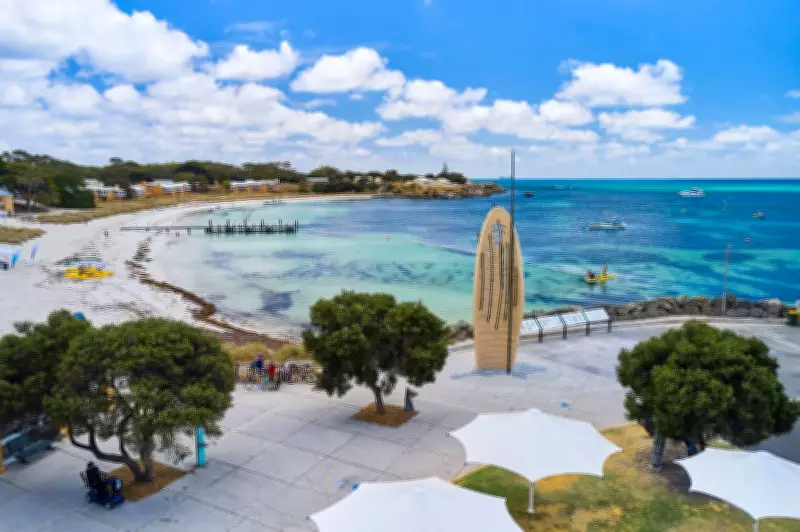
At the end of the island's main ferry jetty stands a sculpture titled Koora-Yeye-Boordawan-Kalyakoorl (Past-Present-Future-Forever). This artwork, depicting a Noongar warrior and a breaching whale, serves as a poignant reminder of the island's dual identity—both a paradise for tourists and a site of profound sorrow for Indigenous peoples.
The sculpture, created by artist Tim Campbell and commissioned by the Rottnest Island Authority, aims to bridge the gap between the island's natural beauty and its traumatic past. However, advocates argue that more needs to be done to educate visitors and honor those who suffered there.
Broader Implications and Calls for Action
This revelation highlights a global issue where tourist destinations often conceal painful histories, particularly those involving colonization and Indigenous oppression. In Australia, similar controversies have arisen at other sites, prompting calls for greater transparency and reconciliation.
- Indigenous leaders are urging for proper memorialization of the graves, including signage, guided tours, and possibly the relocation of camping areas.
- Tourism operators face pressure to incorporate this history into their offerings, ensuring visitors understand the full context of their experience.
- Government authorities are being called upon to support these initiatives, balancing economic interests with ethical responsibilities.
As awareness grows, there is hope that Rottnest Island can transform from a place of hidden trauma to one of education and healing, respecting both its natural allure and its historical significance.