Moving Beyond the February Trap: Edmonton's Call for Sustained Black Inclusion
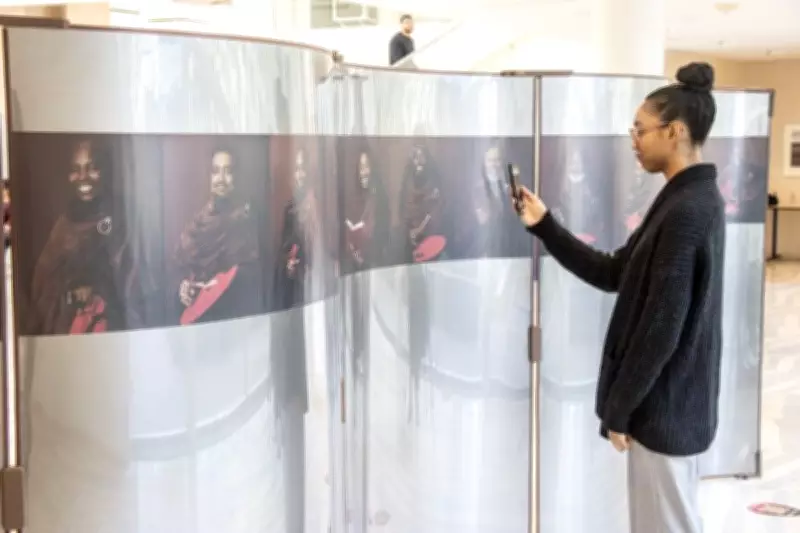
On a crisp January day in 2026, Edmonton's City Hall unveiled a powerful exhibition titled Living Portraits, featuring 20 local Black artists. Curated by Darren Jordan, the display allows visitors to scan QR codes beneath each portrait, hearing the subjects speak in their own voices. This artistic showcase, running until spring, served as a kick-off for Black History Month in the city, with attendees like Kaiya Joseph immersing themselves in the stories on display.
A Century-Old Story of Exclusion
The timing of this exhibition is poignant, coming nearly a century after a defining moment in Edmonton's history. In May 1922, Lulu Anderson, a 36-year-old Black woman, attempted to enter the Metropolitan Theatre on Jasper Avenue to see The Lion and the Mouse. Despite having a ticket and money, she was denied entry due to her skin color, assaulted, humiliated, and turned away.
Unlike many who silently endured segregation, Lulu Anderson fought back. She sued in the case Lulu Anderson v. The Brown Investment Company, challenging the exclusionary practices of the era. However, six months later, Alberta judge Lucien Dubuc ruled against her, establishing a legal precedent that allowed business owners to exclude whomever they wished.

For decades, Lulu Anderson's story remained buried in archives, largely forgotten until researcher Bashir Mohamed brought it to light through diligent historical excavation.
The Modern Paradox: Celebration Without Power
A century later, the Metropolitan Theatre is gone, and laws have changed. Today, Lulu Anderson would likely be celebrated as a guest of honor, her face featured on posters for diversity events. Corporations and government ministries would applaud her resilience at "Diversity Breakfasts" and similar gatherings.
Yet, while physical doors have opened, the doors to real power in corporate boardrooms and government offices remain heavily guarded. Edmonton has secured the right for Black citizens to enter spaces but not necessarily the power to lead within them.
This has created what some call the "February Trap" – a disorienting cycle where Black professionals and historical figures become hyper-visible for 28 days each year, only to fade into invisibility for the remaining 11 months. Many Black professionals report their inboxes filling with requests for "diverse perspectives" or panel participation in February, only to see these invitations evaporate come March 1st.
The Stark Numbers Behind the Celebration
If the volume of February events correlated with actual progress, the data would tell a different story. However, statistics reveal stagnation hidden behind celebration.
According to the DiversityLeads 2024 report, the gap between Edmonton's Black population and its power structure is undeniable. Black people now constitute 5.7 percent of Edmonton's population, yet they hold just 1.1 percent of senior management roles in the city's economic engines.
This disparity becomes even more pronounced when examining career progression. Black Edmontonians are present in entry-level positions and front-line roles, but as one moves upward to floors where budgets are set and decisions are made, their representation virtually vanishes.
A Contrast That Proves Change Is Possible
What makes these statistics particularly striking is the contrast with other equity groups in Edmonton. The same DiversityLeads report shows that women in the city have made remarkable progress, now holding 47.7 percent of senior management positions – approaching parity with their population share.
This demonstrates that the glass ceiling in Edmonton is breakable when there is genuine commitment to diversity in leadership. The city knows how to create inclusive pathways to power, yet these opportunities remain unevenly distributed.
From Performative February to Meaningful Inclusion
The Living Portraits exhibition at City Hall represents more than just art – it symbolizes the voices and contributions that deserve recognition beyond a single month. As Edmonton reflects on both its historical exclusions and current disparities, the challenge becomes transforming February's celebrations into year-round commitments.

True inclusion requires moving beyond symbolic gestures to address systemic barriers in hiring, promotion, and leadership development. It demands creating pathways that allow Black professionals not just to enter organizations but to ascend to positions where they can shape decisions and influence outcomes.
As Edmonton looks toward the future, the question remains: Will the city continue with "Performative February" celebrations, or will it build the structures necessary for genuine, lasting inclusion that honors the legacy of Lulu Anderson and countless others?