Ancient Skulls Unearthed in Kamloops Could Foreshadow Archaeological Conflicts in British Columbia
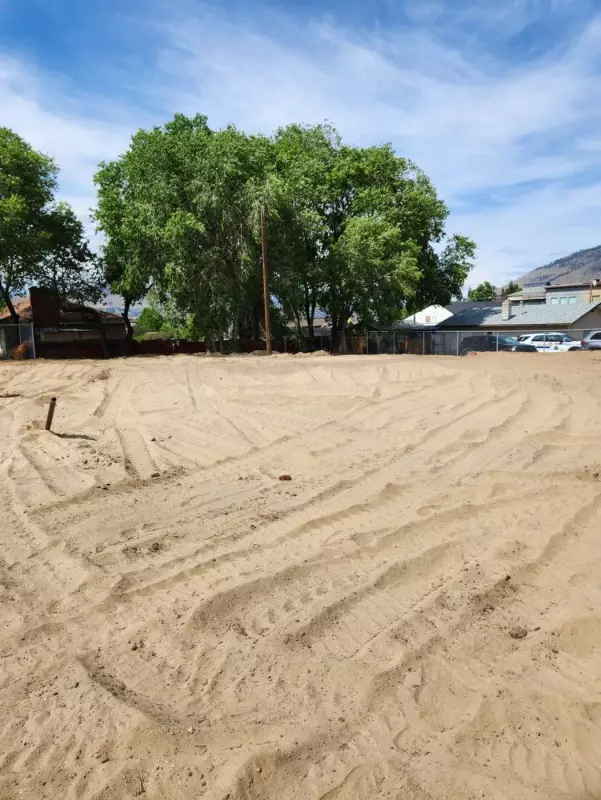
The recent discovery of two human skulls during a landscaping project in Kamloops, British Columbia, is raising significant concerns among archaeologists and Indigenous communities. These remains, which the Tkemlúps te Secwépemc First Nation has respectfully identified as "ancestral remains," were found on a private property, underscoring the delicate balance between urban development and the preservation of historical sites.
A Discovery with Deep Cultural Significance
This incident, reported in late January 2026, involved the unearthing of the skulls while landscaping work was underway. The Tkemlúps te Secwépemc First Nation has been actively involved in the process, emphasizing the cultural and spiritual importance of these findings. Such discoveries are not merely archaeological artifacts; they represent a direct connection to the land and the ancestors of Indigenous peoples, making their handling a matter of profound respect and sensitivity.
Potential Harbingers of Future Archaeological Woes
Experts suggest that this event could be a precursor to more frequent conflicts as development expands across British Columbia. With increasing construction and land use changes, similar finds are likely to become more common, posing challenges for property owners, developers, and Indigenous groups. The situation highlights the need for robust protocols and collaboration to address these issues proactively, ensuring that development does not come at the cost of erasing historical and cultural heritage.

Broader Implications for Heritage Management
The Kamloops discovery points to a larger trend in Canada, where rapid urbanization and resource extraction often intersect with areas of archaeological significance. This case serves as a reminder of the importance of integrating Indigenous knowledge and perspectives into land management and archaeological practices. Moving forward, it may prompt calls for enhanced legislation, better funding for archaeological surveys, and stronger partnerships between First Nations and governmental bodies to protect such sites.
As British Columbia continues to grow, the lessons from Kamloops could shape future policies, aiming to prevent similar incidents and foster a more respectful approach to uncovering and preserving the past. This event underscores that every shovel of dirt turned in this province might reveal not just soil, but stories waiting to be told and honored.