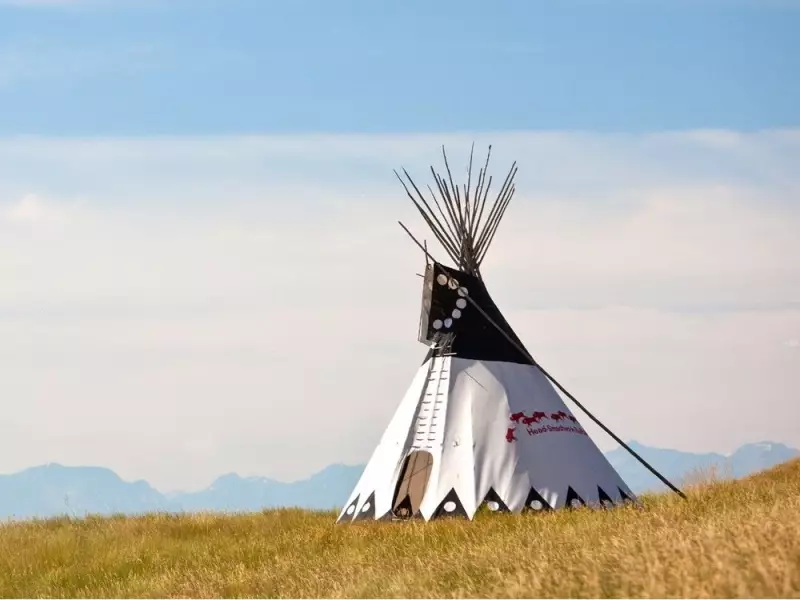
In an unexpected cultural crossover, Alberta's Head-Smashed-In Buffalo Jump has received a prominent mention on the HBO Max medical drama The Pitt, catching site staff completely by surprise and generating renewed interest in this significant Indigenous heritage location.
An Unexpected Television Reference
During the second-season premiere of The Pitt, which follows the intense workings of a Pittsburgh emergency department, a casual conversation between two characters took an unexpected Alberta turn. Dr. Frank Langdon, portrayed by Patrick Ball, asked his colleague Dr. Michael "Robby" Robinavitch about vacation plans, to which Robinavitch replied he was taking a sabbatical to "Head-Smashed-In Buffalo Jump."
Quinton Crow Shoe, who handles marketing for the UNESCO World Heritage Site located just two hours south of Calgary, expressed genuine surprise at the reference. "We weren't expecting it and were kind of blindsided," Crow Shoe admitted. "It has been the talk at the lunch table."

Boosting Awareness Through Popular Culture
The unexpected television mention represents what Crow Shoe describes as valuable "third-party marketing" for the historic site. "And this one's just out of the blue — all of a sudden we're on the radar for people who probably would have never heard of this place," he noted.
Already, staff have noticed visitors mentioning the television reference during their visits to the site. According to Crow Shoe, some visitors specifically cited the show as inspiration for their trip, saying "they were inspired by that little spiel" on the popular medical drama.
Understanding the Site's Significance
Head-Smashed-In Buffalo Jump holds multiple layers of recognition and protection:
- Designated a UNESCO World Heritage Site in 1981 for its testimony to prehistoric life and Indigenous hunting practices
- Recognized as a National Historic Site in 1968
- Designated a Provincial Heritage Site in 1979
- Features an interpretive centre opened in July 1987 with royal attendance
UNESCO describes the location as containing "remains of marked trails and an aboriginal camp and a tumulus where vast quantities of buffalo (American bison) skeletons can still be found." The site provides evidence of hunting customs practiced by Indigenous peoples of the North American plains for nearly 6,000 years.
Indigenous Stewardship and Cultural Pride
Crow Shoe, a member of the Piikani Nation which is part of the Blackfoot Confederacy, emphasized the deep cultural significance of the site. "We do take a lot of pride in being stewards of the site," he explained. "It's more than just a job when we're doing our best to keep this site respected and honoured, just as our ancestors would have liked it."
The hunting practices memorialized at the site involved sophisticated understanding of both topography and buffalo behavior. Indigenous hunters would chase buffalo over the precipice, then process the carcasses in camps below—a testament to ancient sustainable hunting techniques that supported communities for millennia.
Continuing Cultural Impact
The television mention has been further amplified by Travel Alberta, which featured the scene in a video shared to Facebook, extending the reach of this unexpected cultural promotion. This organic exposure through popular entertainment provides what Crow Shoe hopes will be lasting benefits for awareness and visitation to this important Alberta landmark.
As a living connection to Indigenous history and sustainable practices that span six millennia, Head-Smashed-In Buffalo Jump continues to educate and inspire—now reaching new audiences through the unlikely medium of a Pittsburgh-based medical drama.