The Day Peace Came Early: Vancouver's False Armistice of 1918
In an extraordinary moment of historical confusion, the city of Vancouver erupted into spontaneous celebration on November 7, 1918, believing the Great War had ended—four days before the actual armistice. This premature victory, now known as the False Armistice, created one of the most dramatic and ultimately bittersweet episodes in Canadian First World War history.
The Mistaken Report That Shook a Nation
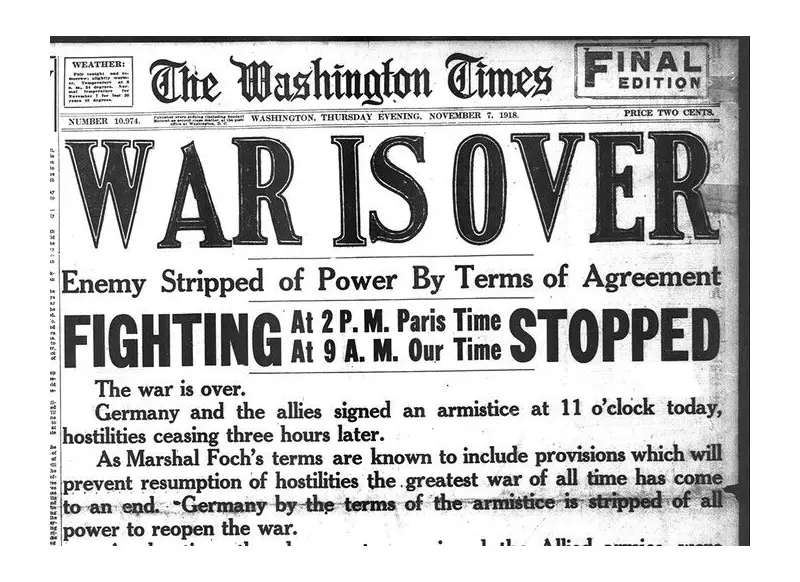
The world held its breath throughout early November 1918 as Allied forces advanced and Germany's military and government collapsed. Then came the fateful dispatch from United Press that would trigger massive celebrations across North America. A special cable from Paris, published in newspapers like the Montreal Star, declared: "The greatest war in history officially came to an end at 2 p.m. today. The Allies and Germany signed an armistice three hours earlier on the field of battle."
This report reached Vancouver around 9 a.m. on November 7, immediately setting off what the Vancouver Sun would later describe as "wild excitement" throughout the city. The news spread with incredible speed—by word of mouth, telephone, and the relentless blowing of factory whistles and bells that conveyed the message to every corner of the community.

A City Transformed by False Hope
Vancouver underwent an instantaneous transformation as the false news took hold. According to contemporary reports, the city assumed a holiday appearance that stood in stark contrast to the quiet days imposed by the ongoing influenza epidemic. The Vancouver Sun documented the remarkable scene: "Flags and bunting appeared like magic from buildings. Stores were doing a rushing business in the selling of flags, confetti, horns and other instruments for the manufacture of noise."
Workers abandoned shipyards, office staff received impromptu holidays, and households with men at the front lines rejoiced at what they believed was the safe conclusion to the conflict. The celebration represented a massive emotional release for a population that had endured years of wartime sacrifice and recent weeks of pandemic restrictions.
The Tragic Reality and Historical Legacy
The celebration proved tragically premature. Within hours, corrections emerged, including a second United Press report stating that the U.S. State Department had received an official message from Paris confirming the armistice had not been signed when the initial report was filed.
The actual armistice halting hostilities between Germany and the Allied Forces would be signed six hours before the famous cessation of fighting at the 11th hour of the 11th day of the 11th month. This delay proved deadly—according to the U.S. World War One Centennial Commission, there were 10,944 casualties, including 2,738 deaths, on the war's final day before the truce took effect.
The False Armistice of November 7, 1918, remains a poignant footnote in Canadian military history, illustrating both the desperate hope for peace and the tragic cost of those final days of conflict. For Vancouver residents who experienced that brief, joyful celebration, the memory would forever be shadowed by the knowledge that the real end—and the safe return of loved ones—still remained days away.