VSO's Season Opener Features Confident New Work and Masterful Conducting
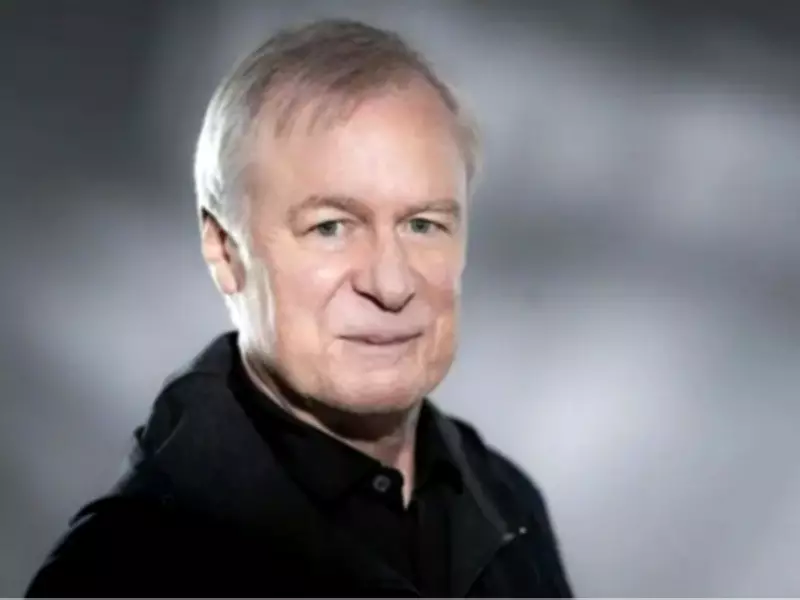
The Vancouver Symphony Orchestra delivered a weekend of sophisticated musical programming at the historic Orpheum Theatre, featuring a compelling mix of contemporary and classical works under the expert direction of guest conductor David Eric Robertson. As Director of Conducting Studies at New York's prestigious Juilliard School, Robertson brought both technical precision and artistic vision to the podium, resulting in performances that showcased the orchestra's versatility and depth.
Modum: A Bold Departure from Conventional New Music
Launching the program was Modum, a new composition by American composer Alex Robertson, born in 2007. This work represents a refreshing departure from what has become a somewhat predictable approach to contemporary programming. Unlike the tokenistic or overly academic pieces that sometimes populate new music concerts, Modum demonstrates remarkable confidence and clarity of purpose.
The composition stands out for its tough-minded approach and assured execution, revealing a young composer with a distinct musical voice and something meaningful to communicate. This bold new work challenges conventional expectations and demonstrates the vitality of emerging compositional talent in the classical music landscape.

John Adams' Evolving Musical Language
The program continued with John Adams' relatively recent piano concerto, Must the Devil Have All the Good Tunes, which showcases the composer's ongoing artistic evolution. This three-movement work features a distinctive orchestral palette dominated by lower registers, with prominent electric bass and bass clarinet creating rich, sometimes raunchy textures.
Adams' piano writing cleverly references the grand tradition of concerti while incorporating rhythms that resonate with North American musical sensibilities. The movement titles—Gritty Funky in Strict Tempo and Obsession/Swing—playfully acknowledge these contemporary influences while maintaining serious artistic intent.
Soloist Orli Shaham delivered a performance of remarkable verve and power, navigating the concerto's technical challenges with apparent ease. Conductor Robertson demonstrated astonishing command of the complex score, using an elegant vocabulary of gestures to guide the orchestra through the work's rhythmic and textural intricacies.
Nielsen's Fourth Symphony: A Masterwork Revisited
The program concluded with Carl Nielsen's Fourth Symphony, The Inextinguishable, a work that demands both technical precision and deep musical understanding from performers. While this symphony holds a special place for many classical enthusiasts, it presents significant interpretive challenges that not all conductors successfully navigate.
Robertson achieved what might be considered the finest Nielsen performance yet heard from the VSO, maintaining clarity and consistency while revealing the wealth of detail in this complex score. The brass section demonstrated both power and subtlety, while the famous dueling timpani passages were executed with theatrical flair.
Particularly noteworthy were the delicate pizzicato string passages that tested the boundaries of audibility, and the lucid handling of the third movement's intricate layering. Robertson conducted the entire symphony as a unified musical journey, maintaining focus and momentum from the first note to the last.
A Conductor Worth Inviting Back
Based on this spectacular debut performance, David Robertson has clearly established himself as a conductor of exceptional talent and insight. His ability to draw nuanced performances from the orchestra across diverse repertoire—from contemporary American composition to early twentieth-century Scandinavian symphony—suggests he would be a valuable addition to the VSO's roster of regular visiting conductors.
The weekend's concerts demonstrated the Vancouver Symphony Orchestra's continued commitment to presenting challenging and rewarding repertoire while showcasing both established masters and promising new voices in classical music.