Ye's Redemption Arc Faces International Scrutiny Amid U.S. Acceptance
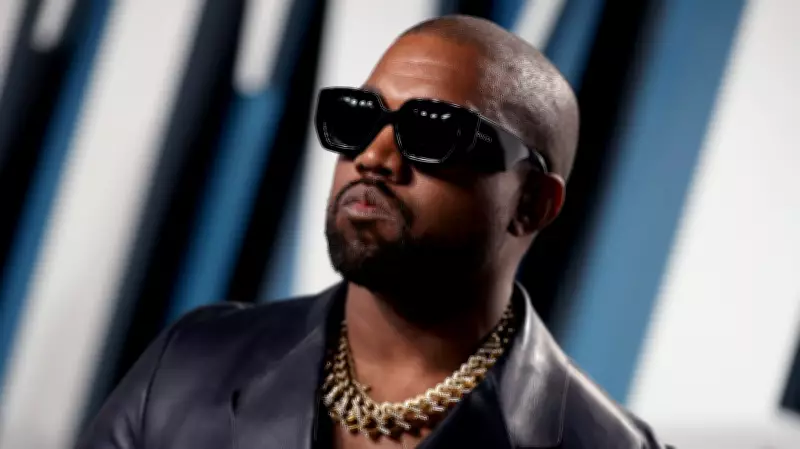
In a nation with a well-documented history of forgiving and forgetting transgressions, Ye—the artist formerly known as Kanye West—has orchestrated a semi-successful comeback this year, despite a series of controversies that many believed would permanently derail his career. This resurgence, however, reveals more about societal values than it does about the rapper-producer himself.
From Apology to Arena: The Path to Redemption
Just a year ago, the idea of Ye headlining packed stadiums seemed nearly impossible following a fresh wave of incendiary behavior. He had doubled down on antisemitic rhetoric, declared himself a Nazi, sold T-shirts featuring swastikas, and released a song titled "Heil Hitler." Yet, in January, he took out a full-page advertisement in The Wall Street Journal, addressing "to those I've hurt" with an apology for his past actions.
In his statement, Ye attributed his behavior to brain trauma from a car accident nearly 25 years ago and untreated bipolar I disorder, claiming these issues caused him to "lose touch with reality" and say things he "deeply regrets." He expressed a desire to regain public trust, stating, "I'm not asking for sympathy, or a free pass, though I aspire to earn your forgiveness. I write today simply to ask for your patience and understanding as I find my way home."

Stadium Success and Swift Backlash
This appeal appeared to resonate with fans, as tens of thousands attended his two sold-out shows at Los Angeles' SoFi Stadium in late March, marking his first full U.S. concerts since 2021. The events reportedly generated $33 million in revenue, with celebrities like Lauryn Hill and Travis Scott joining him onstage in a show of support, seemingly overlooking years of controversial behavior.
However, Ye's redemption tour hit a significant obstacle just days later. Scheduled to headline the Wireless Festival in the U.K., he was barred from entering the country due to his history of antisemitic comments and actions. The festival was subsequently canceled, with sponsors such as Pepsi and Diageo withdrawing their support. U.K. Prime Minister Keir Starmer condemned the invitation, stating, "This government stands firmly with the Jewish community, and we will not stop in our fight to confront and defeat the poison of antisemitism."
The Limits of Accountability in Cancel Culture
This international backlash raises serious questions about the viability of Ye's future global endeavors. Despite his apology, he has offered no concrete steps to make amends with the communities he has harmed, focusing instead on album promotions and concert announcements. His long-delayed "Bully" album debuted at No. 2 on the Billboard 200 chart in late March, moving 152,000 equivalent album units in its first week, indicating sustained fan interest.
Ye's case underscores a broader cultural phenomenon: the myth of cancel culture. Figures like Louis C.K., who admitted to sexual misconduct allegations in 2017, have resumed their careers with minimal resistance, while Sean "Diddy" Combs is already laying groundwork for a comeback despite legal troubles. In Ye's instance, while partners like Adidas and Gap severed ties over his antisemitic remarks, his core business operations have continued largely uninterrupted.
A Reflection of Societal Values
The rapper's ability to maintain a devoted fanbase, despite a decade marked by MAGA support, anti-Black statements, racist outbursts, and sexual assault allegations, speaks volumes about America's capacity for forgiveness. This trend is not new; R. Kelly sustained a thriving music career for years amid whispers of abuse before his 2021 conviction.
As Ye schedules concerts in Spain, Italy, France, Portugal, the Netherlands, and India, the central question remains: What would it actually take for someone with his influence to face true, lasting consequences? The separation of art from artist often serves as a convenient justification for continued support, but in Ye's case, it highlights how financial incentives and nostalgia can override moral accountability.

Ultimately, Ye's semi-successful comeback is a stark reminder that in today's America, even the most egregious offenses may not be enough to dismantle a lucrative career, especially when fans and institutions prioritize entertainment over ethics.