A troubling trend has emerged in the music industry: a growing number of top-tier artists are abruptly canceling shows, leaving fans disappointed and industry insiders puzzled. Some are calling it 'blue dot fever,' a term that has gained traction on social media to describe a sudden onset of stage fright or performance anxiety that causes artists to pull out of scheduled performances.
What Is 'Blue Dot Fever'?
The phrase 'blue dot fever' reportedly originated from a blue dot that appears on an artist's tour schedule to indicate a canceled date. While not a medical diagnosis, it has become a shorthand for the psychological pressure that leads performers to scrap shows at the last minute. Experts suggest that the intense scrutiny of live performances, combined with the demanding nature of touring, can trigger anxiety in even the most seasoned artists.
Notable Cancellations
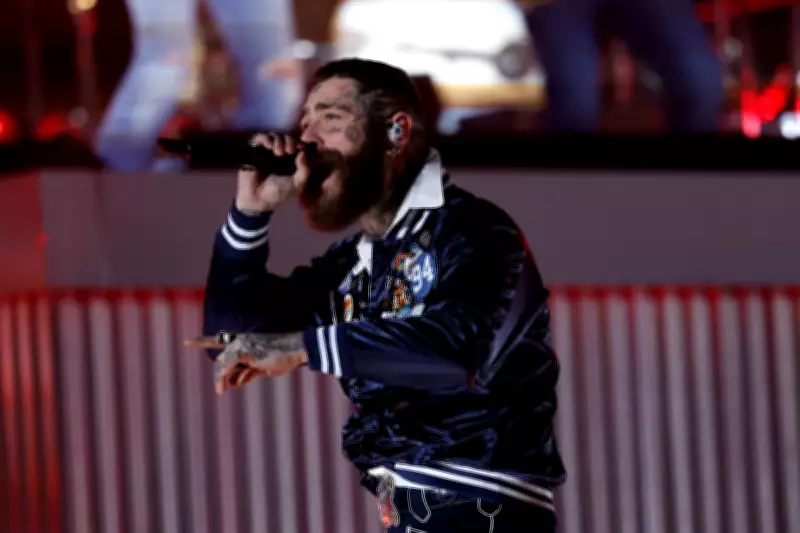
Recent high-profile cancellations include major acts like Post Malone, who performed during the halftime of an NFL game in 2025, but have since canceled several tour dates citing health reasons. Other artists, ranging from pop stars to rock bands, have similarly pulled out of shows, often citing mental health or physical exhaustion. The trend has sparked debate about the sustainability of modern touring schedules.

Industry Reactions
Promoters and venue operators are feeling the financial impact, as last-minute cancellations lead to lost revenue and logistical headaches. Some industry insiders argue that the pressure to deliver perfect performances in the age of social media is driving artists to prioritize their well-being over touring commitments. Others believe that the trend reflects a broader cultural shift toward mental health awareness.
Expert Opinions
Psychologists note that performance anxiety is a real and debilitating condition, often exacerbated by the high expectations placed on artists. 'The pressure to be constantly available and to deliver flawless shows can be overwhelming,' says Dr. Emily Carter, a clinical psychologist specializing in performance anxiety. 'Artists are human, and they need to take breaks to avoid burnout.'
What This Means for Fans
For fans, the cancellations are disappointing, but many are expressing understanding and support for artists' decisions. Social media has seen a mix of frustration and empathy, with some fans calling for better support systems for performers. The trend may also lead to changes in how tours are structured, with more built-in rest days and mental health resources.
As the music industry grapples with this phenomenon, one thing is clear: the conversation around artist well-being is far from over. Whether 'blue dot fever' is a passing trend or a sign of deeper issues, it has highlighted the need for a more sustainable approach to live entertainment.