Trump Threatens Legal Action Against Comedian Trevor Noah Following Grammys Hosting Performance
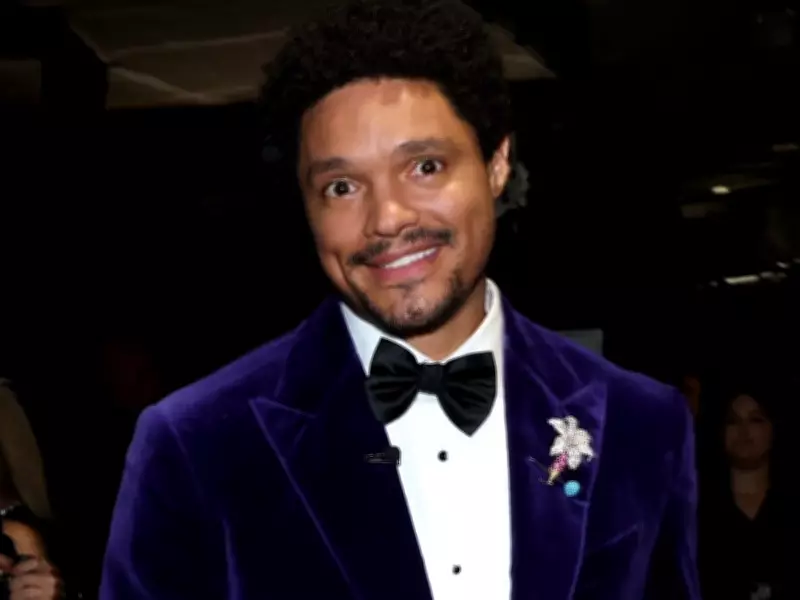
In what marked his sixth and final appearance as host of the Grammy Awards, comedian Trevor Noah delivered a monologue that has sparked significant controversy and drawn the ire of former U.S. President Donald Trump. The broadcast, which aired on Sunday night, featured Noah making pointed jokes about Trump's alleged connections to the late financier Jeffrey Epstein, prompting Trump to respond with threats of legal action through his Truth Social platform.
Noah's Controversial Monologue Targets Trump Multiple Times
During his opening remarks, Noah immediately targeted Trump by referencing the president's friendship with rapper Nicki Minaj, who recently declared herself "the president's No. 1 fan." Noah humorously suggested that Minaj was absent from the ceremony because she remained at the White House with Trump, discussing what he described as "very important issues." The comedian then impersonated Trump, imagining a conversation where the two debated who possessed a larger rear end, with Noah's Trump character insisting, "Actually Nicki, I have the biggest ass, everybody's saying it Nicki."
The jokes escalated later in the evening when Noah commented on Billie Eilish's win for Song of the Year. He remarked that artists desire the Grammy trophy "almost as much as Trump wants Greenland," adding, "which makes sense because Epstein's island is gone. He needs a new one to hang out with Bill Clinton." This direct reference to Trump's alleged association with Epstein, who was convicted as a sex offender before his death, drew strong reactions from the audience and set the stage for Trump's furious response.

Trump's Angry Truth Social Post Threatens Legal Consequences
Early Monday morning, Trump took to Truth Social to express his outrage over Noah's comments. In a lengthy post, he criticized the Grammy Awards as "the WORST, virtually unwatchable" and attacked Noah personally, calling him "a total loser" and comparing him unfavorably to other late-night hosts. Trump vehemently denied ever visiting Epstein Island or being in proximity to it, stating that until Noah's "false and defamatory statement," he had never been accused of such by even the "Fake News Media."
Trump's post included a clear legal threat: "Noah, a total loser, better get his facts straight, and get them straight fast. It looks like I'll be sending my lawyers to sue this poor, pathetic, talentless, dope of an M.C., and suing him for plenty$" He concluded by referencing his previous successful lawsuits against major news networks, warning Noah to "get ready" because he intended to "have some fun" with him through legal channels.
Political Statements Dominate Grammy Awards Ceremony
The controversy surrounding Noah's jokes occurred within a broader context of political activism at the 2026 Grammy Awards. Several artists used their acceptance speeches to criticize Trump administration policies, particularly regarding immigration enforcement. Bad Bunny, winner of Best Musica Urbana Album, began his speech by stating, "Before I say thanks to God, I'm going to say, 'ICE out.' We're not savage. We're not animals. We're not aliens. We are humans, and we are Americans."
Billie Eilish echoed similar sentiments when accepting her Song of the Year award, declaring, "No one is illegal on stolen land. Our voices really do matter, and the people matter." Other artists, including Olivia Dean and Shaboozey, dedicated their awards to immigrants and shared personal stories about their immigrant experiences. On the red carpet, numerous celebrities, including Canadian icons Joni Mitchell and Justin Bieber, wore "ICE OUT" protest pins to demonstrate opposition to ongoing immigration enforcement actions.

Broader Implications for Entertainment and Political Discourse
This incident highlights the continuing intersection of entertainment and politics in American public life. Noah's final Grammys hosting performance demonstrates how award shows have become platforms for political commentary, while Trump's threatened lawsuit represents an escalation in his confrontational approach to media criticism. The situation raises questions about the boundaries of political satire, the legal implications of celebrity jokes about public figures, and the ongoing tension between entertainment industry figures and political leaders.
As both Noah and Trump have significant public platforms—Noah through his comedy career and Trump through his political influence and social media presence—this conflict may have lasting repercussions for how comedians approach political humor and how politicians respond to such commentary. The threatened lawsuit, if pursued, could set important precedents regarding free speech protections for satirical content about public figures.