Trump Urges Legal Action Against Comedian in White House Exchange
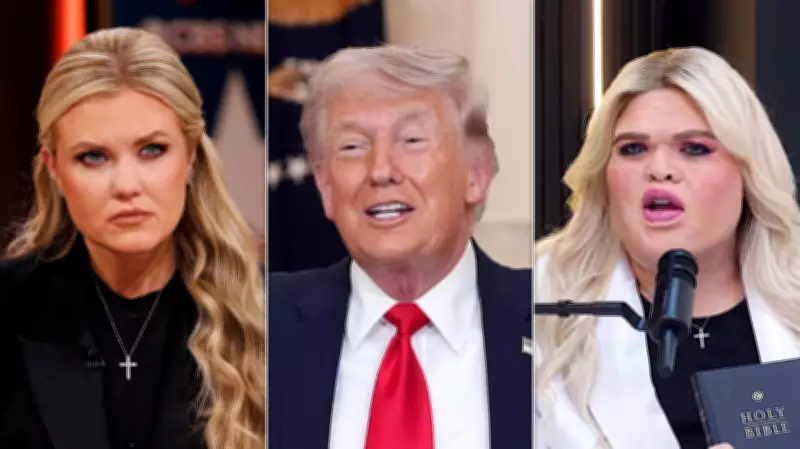
During an Easter lunch event at the White House on Wednesday, former President Donald Trump engaged in a notable conversation with Erika Kirk, the CEO of Turning Point USA and widow of far-right activist Charlie Kirk. Trump, noticing Kirk in the audience, called out to her with a friendly greeting, setting the stage for a discussion that quickly turned to a recent viral social media controversy.
Viral Skit Sparks Controversy and Presidential Advice
The focus of their exchange was a comedy skit created by popular comedian Druski, whose real name is Drew Desbordes. The roughly two-minute clip, which has amassed over 184 million views on the platform X, features Druski in whiteface, a blond wig, and blue contact lenses, parodying what he describes as "conservative women in America." While the video does not explicitly name Erika Kirk, many conservative commentators on social media have asserted that she was the intended target of the satire.
Trump, addressing Kirk directly, remarked, "They’re so jealous of Erika," before revealing the advice he had previously given her. "I said, you ought to sue, I can say, you’re not allowed to say this, you have to be nicer. Sue their ass off," the former president stated, encouraging legal recourse against the comedian. This suggestion came amid a lighthearted yet pointed moment, with Trump complimenting Kirk's table and inquiring about her well-being.

Denials and Broader Implications
In response to the growing speculation, a spokesperson for Druski firmly denied any legal actions had been taken. On Friday, the representative told Newsweek, "any claim that a cease and desist was issued to Druski is absolutely false," shutting down rumors that Kirk had filed a lawsuit. This clarification highlights the often-blurred lines between political satire, personal portrayal, and public reaction in today's digital age.
The incident underscores the ongoing tensions between political figures and comedic portrayals, particularly in the highly polarized landscape of American politics. Trump's public endorsement of litigation against a comedian reflects a broader trend of leaders challenging media and entertainment content they perceive as derogatory. As viral content continues to shape public discourse, such exchanges may prompt further debates over free speech, parody, and the boundaries of political commentary.