Trump Labels U.S. Olympic Skier a 'Real Loser' Following Athlete's Candid Remarks
In a recent social media outburst, former U.S. President Donald Trump targeted Olympic skier Hunter Hess, branding him a "real loser" after the athlete openly discussed his "mixed emotions" about competing for the United States. The controversy stems from Hess's public reflections on the complexities of national representation in international sports, which Trump interpreted as a lack of patriotism.
Hunter Hess's Candid Comments Spark Political Firestorm
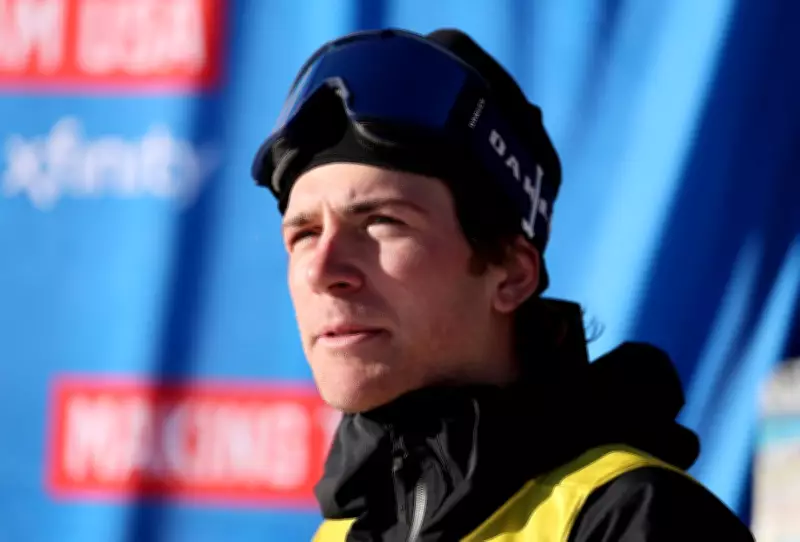
Hunter Hess, a prominent figure on the U.S. skiing team, made headlines earlier this week when he expressed nuanced feelings about his role as an American athlete at the Olympic level. During an interview, Hess acknowledged the pride of representing his country but also touched on the pressures and political dimensions that come with wearing the Team USA uniform. These remarks, intended as a personal and honest reflection, quickly drew the ire of Trump, who is known for his vocal support of traditional nationalistic fervor in sports.
The skier's comments were part of a broader discussion on athlete mental health and identity in high-stakes competitions. Hess, who has competed in events like the Toyota US Grand Prix at Aspen Snowmass Ski Resort, emphasized that his feelings were not a rejection of America but rather an exploration of the emotional toll of elite athletics. However, Trump's response framed it as a sign of weakness, using his platform to condemn what he perceives as diminishing American spirit.

Political Reactions and Broader Implications for Sports
This incident highlights the ongoing intersection of politics and sports, particularly in the United States where athletes' statements often become fodder for partisan debates. Trump's criticism of Hess echoes previous controversies where he has publicly disparaged athletes who express dissenting views, reinforcing a divide between conservative expectations of unwavering patriotism and athletes' rights to personal expression.
Experts note that such conflicts can impact athlete morale and public perception of Olympic teams. As the Winter Games approach, the focus may shift from athletic performance to political narratives, potentially overshadowing the achievements of competitors like Hess. The skier has not yet responded to Trump's comments, but the situation raises questions about how athletes navigate their public personas in an increasingly polarized environment.
In Canada, where sports culture often emphasizes inclusivity and mental health awareness, this story resonates as a cautionary tale about the pressures faced by international athletes. While not directly involving Canadian figures, it underscores the global nature of sports diplomacy and the challenges competitors face when their personal reflections become political lightning rods.