SNL Sketch Exposes Media Blindness to ICE Actions in Minneapolis
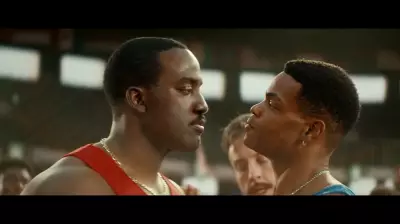
On this week's episode of Saturday Night Live, recent Golden Globe winner Teyana Taylor took on the role of a news anchor in a biting sketch that mocked the lack of awareness in some media coverage of recent Immigration and Customs Enforcement-related events in Minneapolis. The sketch featured white journalist characters who appeared utterly shocked that law enforcement would target innocent individuals based on their appearance, while the Black journalists portrayed seemed all too familiar with this distressing scenario.
A Painfully Accurate Portrayal of Racial Disparities
The sketch was not so much humorous as it was painfully and uncomfortably on point. Tune into CNN's NewsNight, and you are likely to witness a similar dynamic unfolding. The message conveyed is crystal clear: there exists a well-established playbook for how most Americans perceive the government's overreach of power in Minneapolis. However, Black and brown communities have experienced this narrative repeatedly throughout history.
We have seen this exact script play out before, and the repetition is beyond exhausting. The playbook may be old, but its execution remains devastatingly effective. The formula typically involves identifying Black and brown communities, orchestrating a deceptive threat often amplified through media channels, and then unleashing the full force of governmental power upon everyone within those communities.

Historical Precedents of Systemic Targeting
This story has unfolded time and time again across decades. In the 1970s, President Richard Nixon launched the War on Drugs, which an adviser later admitted was explicitly designed to criminalize Blackness and disrupt those communities. Under President Ronald Reagan, Congress allocated nearly $2 billion for new anti-drug funding in 1986.
The 1033 program, established in 1997, has resulted in $7.6 billion worth of military equipment being transferred to over 10,000 police departments nationwide. An additional $34 billion was funneled to local law enforcement in the decade following the tragic events of September 11, 2001.
In 2003, Colin Powell stood before the United Nations with a vial purportedly containing anthrax, claiming Iraq possessed weapons of mass destruction. UN inspectors debunked this assertion, yet America proceeded with an invasion that resulted in hundreds of thousands of deaths.
The Devastating Consequences of This Blueprint
The outcomes have included exploding incarceration rates, increasingly militarized police forces, and the systematic targeting of Black and brown communities both within America and across the globe. It is the same blueprint, the same communities, and the same lies merely dressed up in new language for each era.
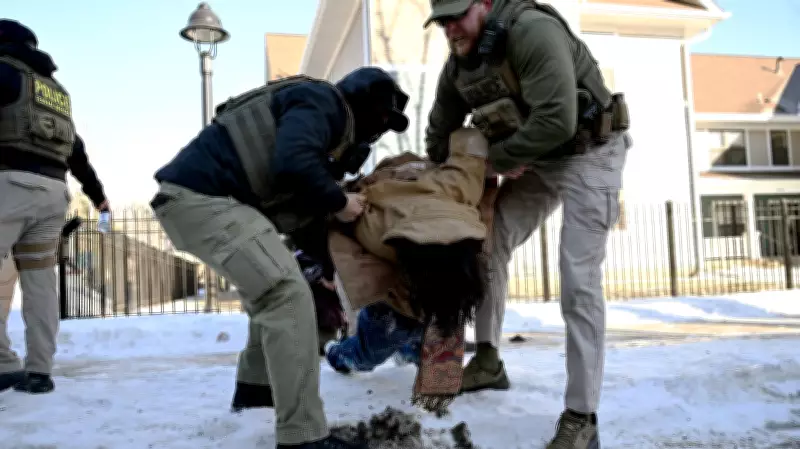
Now, in Minneapolis, we are witnessing the latest iteration of this centuries-old playbook. On January 24, a Border Patrol agent shot and killed Alex Pretti, a 37-year-old ICU nurse and U.S. citizen, during an anti-ICE protest. This incident occurred shortly after President Donald Trump referred to the Somali community in the U.S. as garbage to reporters following a Cabinet meeting last December, with such rhetoric prominently displayed on the official White House website.
It had been only two weeks since ICE officer Jonathan Ross shot and killed Renee Good, also 37, during an encounter in south Minneapolis on January 7. The unfortunate reality is that white allies who courageously put their bodies on the line to stand up for marginalized communities are often viewed as just as expendable by racist law enforcement as the communities they aim to protect.
Escalating Funding and Militarized Enforcement
Last July, Congress voted to add an unprecedented $170 billion to the Trump administration's already massive budget for immigration enforcement. Currently, federal agents are patrolling American streets equipped with the same gear utilized in war zones overseas. The pretext continually shifts—whether it be weapons of mass destruction, crack cocaine, or illegal immigrants—but the underlying formula remains unchanged.

Manufacture fear of the Black and brown other, leverage that fear to justify the unhinged misuse of power that ultimately restricts everyone's freedoms, and then keep the public distracted and scrolling through AI-generated and algorithmic content designed to fragment attention and disintegrate our collective ability to mobilize and take meaningful action.
The Power of Documentation in the Digital Age
However, a significant shift has been occurring over the past decade. We are now witnessing events with our own eyes and capturing them on the very devices often used to control and distract us. Social media, frequently criticized as a vehicle for distraction, has transformed into a powerful weapon of documentation.
The world is watching what unfolds across the United States because civilians have turned their smartphones into instruments of witness. While this documentation does not always lead to immediate justice—as evidenced by countless cases where clear video evidence still failed to secure accountability—it undeniably represents a crucial first step toward achieving it.
Famous jazz poet and activist Gil Scott-Heron proclaimed in 1971 that the revolution will not be televised. Our modern revolution is being livestreamed, posted, shared, and archived, captured by millions of phones in the hands of millions documenting every moment of this state-sanctioned violence.
A Broader Struggle Beyond Immigration Policy
This issue transcends mere immigration policy. It is fundamentally about power, control, and the systemic erosion of freedom. The objective is to keep us afraid and isolated, endlessly scrolling and consuming—anything but organizing and demanding genuine accountability.
The call to action is clear: document everything, record everything safely, and share everything widely. Once we record the truth repeatedly, it becomes increasingly difficult to unsee. The collective act of witnessing and sharing may well be our most potent tool in challenging these enduring patterns of injustice.