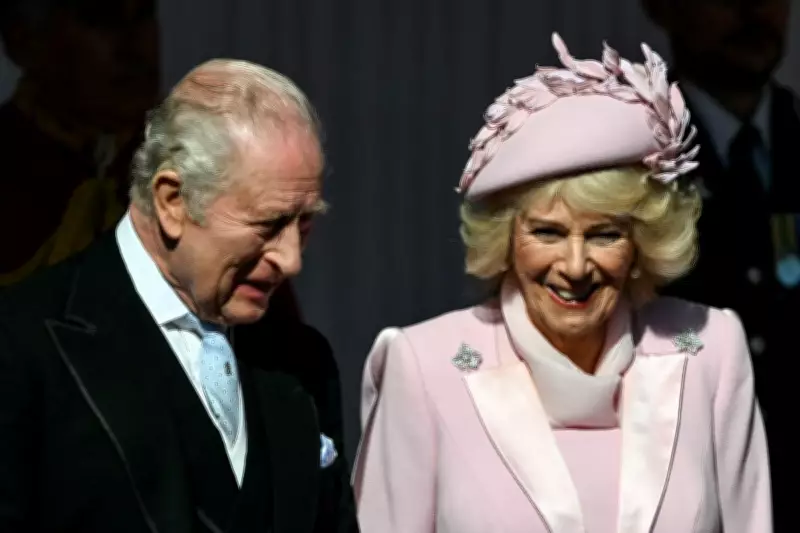
Royal Family Observes Easter Tradition with Notable Absences
The British Royal Family convened for their traditional Easter Sunday service, a longstanding annual event that draws public attention to the monarchy's religious and ceremonial practices. This year's gathering, held at a historic chapel, saw King Charles III and Queen Camilla in attendance, along with other senior royals, as they participated in the solemn proceedings. However, the absence of Prince Andrew and his immediate family members was conspicuously noted, sparking discussions among royal watchers and media outlets.
Details of the Easter Service
The service, which took place in Windsor, England, featured hymns, prayers, and a sermon emphasizing themes of renewal and peace, reflecting the Easter holiday's significance. King Charles, who has been actively engaging in public duties since his accession, led the royal contingent, appearing in good spirits and interacting briefly with well-wishers outside the venue. Queen Camilla accompanied him, dressed in seasonal attire that adhered to royal protocol. Other attendees included working royals who have maintained a visible presence in recent months, contributing to the event's dignified atmosphere.
Absence of Prince Andrew and Family
Prince Andrew, the Duke of York, did not appear at the service, nor did his ex-wife Sarah Ferguson or their daughters, Princesses Beatrice and Eugenie. This absence follows years of controversy surrounding Andrew, including his ties to Jeffrey Epstein and subsequent stepping back from royal duties. While the Royal Family has not issued an official statement regarding the no-show, sources suggest it may be part of an ongoing effort to minimize his public profile amid ongoing legal and reputational challenges. The decision underscores the complex dynamics within the monarchy as it navigates personal and public pressures.

Broader Context and Public Reaction
The Easter service occurs against a backdrop of heightened scrutiny for the Royal Family, with issues such as health concerns, succession planning, and public relations efforts frequently in the news. Observers noted that the event proceeded smoothly despite the absences, with no disruptions or protests reported. Public reaction has been mixed, with some expressing sympathy for the family's private struggles, while others critique the institution's handling of internal conflicts. This gathering highlights the enduring role of tradition in British society, even as the monarchy adapts to modern expectations and challenges.
In summary, the Royal Family's Easter service served as a moment of unity and reflection, albeit marked by the noticeable omission of Prince Andrew and his kin. As the monarchy continues to evolve, such events remain pivotal in shaping its public image and internal cohesion.