Paul Dano Responds to Quentin Tarantino's Critical Comments
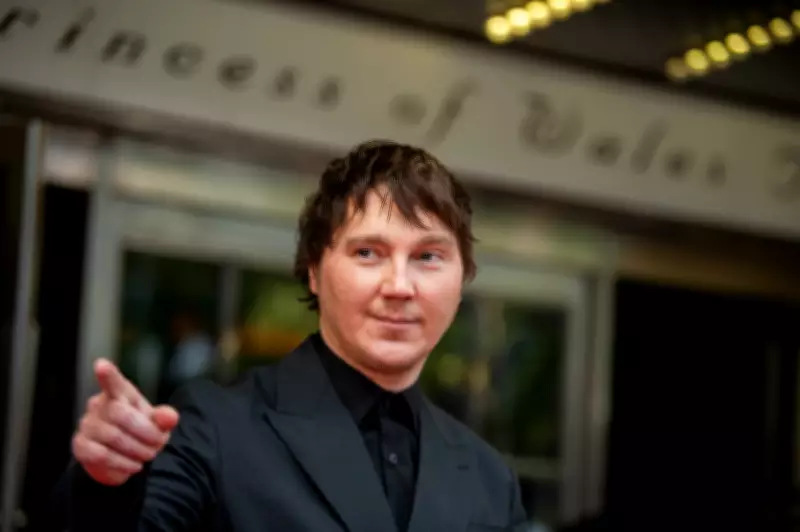
Actor Paul Dano has publicly addressed recent critical remarks made by renowned filmmaker Quentin Tarantino, sparking a conversation about artistic perspectives and professional respect in the entertainment industry. Dano, known for his roles in films such as "The Wizard of the Kremlin" showcased at the Toronto International Film Festival, offered a measured and reflective response to Tarantino's comments, which were part of a broader industry discussion.
Dano's Diplomatic Approach to Criticism
In his response, Paul Dano emphasized the importance of diverse viewpoints in filmmaking, acknowledging Tarantino's influential status while standing by his own artistic choices. Dano stated that while he respects Tarantino's opinion, he believes that creative expression should not be constrained by singular perspectives. This exchange highlights the ongoing dialogue between actors and directors regarding performance styles and cinematic vision.
The actor further elaborated on his commitment to character-driven roles, explaining that his approach to acting focuses on authenticity and emotional depth, which may differ from Tarantino's more stylized directorial preferences. Dano's comments reflect a broader trend in Hollywood where artists navigate criticism while maintaining professional courtesy and personal integrity.

Context of the Industry Debate
This incident occurs within a larger context of public critiques among entertainment figures, where opinions on artistic merit often generate significant media attention. Tarantino's criticism, though pointed, is seen by some as part of the filmmaker's outspoken nature, while Dano's response is viewed as a model of diplomatic engagement. The discussion underscores the subjective nature of film criticism and the varying expectations placed on performers in high-profile projects.
Observers note that such exchanges can foster healthy debate about artistic standards, encouraging both creators and audiences to reflect on what constitutes compelling storytelling. Dano's ability to address criticism without escalating conflict demonstrates a maturity that resonates within the film community, particularly as artists increasingly use public platforms to share their views.
Implications for Future Collaborations
While this exchange may not lead to immediate professional repercussions, it raises questions about how public criticism affects working relationships in the entertainment industry. Dano's response suggests a willingness to engage in constructive dialogue, potentially paving the way for future collaborations or at least maintaining mutual respect. This incident also highlights the challenges actors face when their work is evaluated by influential figures like Tarantino, whose opinions carry substantial weight.
As the entertainment landscape evolves, such interactions remind us of the importance of balancing artistic freedom with professional accountability. Dano's handling of this situation may influence how other actors respond to criticism, promoting a culture where differing artistic visions are acknowledged without diminishing creative contributions.