New Forensic Investigation Challenges Official Suicide Ruling in Kurt Cobain's Death
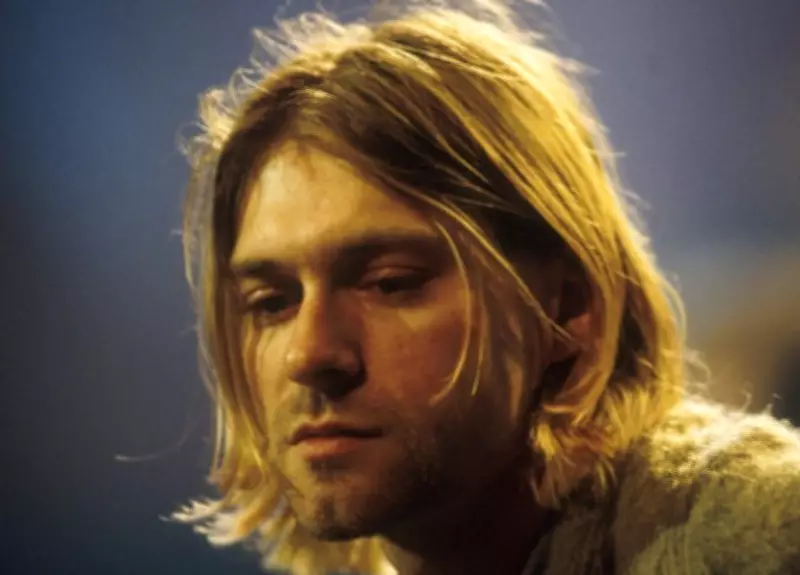
An unofficial private investigation into the death of legendary Nirvana rocker Kurt Cobain, more than three decades after his passing, has presented compelling new evidence suggesting his demise may have been a homicide rather than a suicide. This development reignites long-standing debates over the circumstances surrounding the tragic event that shocked the music world in 1994.
Revisiting the Case with Modern Forensic Techniques
According to reports from the Daily Mail, a team of forensic scientists, including expert Brian Burnett who specializes in overdose and gunshot trauma cases, has meticulously re-examined Cobain's death. Independent researcher Michelle Wilkins revealed that after analyzing autopsy records, Burnett concluded, "This is a homicide. We've got to do something about this." The team identified ten key inconsistencies with the official ruling by the King County Medical Examiner, which had listed the cause as suicide from a self-inflicted gunshot wound at his Seattle home on April 5, 1994.
Inconsistencies in Autopsy and Scene Evidence
The investigators propose a scenario where Cobain was confronted by assailants who forced a heroin overdose to incapacitate him before he was shot in the head. They argue that the gun was then placed in his arms and a forged suicide note left behind. Wilkins pointed out that Cobain's organs showed damage indicative of oxygen deprivation, consistent with an overdose rather than a shotgun death. She stated, "The necrosis of the brain and liver happens in an overdose. It doesn't happen in a shotgun death."

Further scrutiny of police reports revealed additional anomalies. The death scene was described as unusually clean for a suicide, with items like a receipt for bullets found neatly in his pocket and shells lined up at his feet. A heroin kit nearby was also meticulously organized, which Wilkins found suspicious, noting, "Suicides are messy, and this was a very clean scene." Autopsy findings, including fluid in the lungs and bleeding in the eyes, supported the overdose theory prior to the gunshot.
Questions About Weapon and Suicide Note
The investigation also raised doubts about Cobain's ability to operate the Remington Model 11 20-gauge shotgun found at the scene. Wilkins explained, "Imagine he's comatose and dying... it's six pounds. So he's dying of an overdose. I mean, he's in a coma, and he's holding this up to be able to reach the trigger to get it in his mouth. It's crazy." Additionally, the suicide note was scrutinized, with Wilkins noting that the top portion, written by Cobain, discusses quitting the band, while the last four lines appear different and mention suicide, suggesting potential forgery.
Official Response and Historical Context
Despite these new claims, authorities have indicated no plans to reopen the case. A spokesperson from King County Public Health stated, "Our office is always open to revisiting its conclusions if new evidence comes to light, but we've seen nothing to date that would warrant reopening of this case." Seattle Police Detective Eric Munoz reaffirmed the official stance, saying, "Kurt Cobain died of suicide in 1994."
Questions about Cobain's death have persisted for decades, fueled by his status as a grunge icon and new father at the time. In 2023, filmmaker Ian Halperin argued in his book Case Closed: The Cobain Murder that the verdict should be changed to murder based on forensic evidence. He even challenged Cobain's widow, Courtney Love, to take a lie detector test, offering to publicly declare her innocence if she passed. The FBI's release of a redacted file in 2021, responding to public calls for reinvestigation, noted that murder cases fall under state jurisdiction unless federal law violations are identified.
As this unofficial probe continues to garner attention, it underscores the enduring mystery and public fascination with Kurt Cobain's legacy, leaving fans and experts alike pondering the truth behind one of music history's most tragic events.