An Olympic Dream Marred by Unexpected Hostility
Attending the 2026 Winter Olympics in Milan felt like a precious gift after a difficult period. As a mother whose son was undergoing treatment for Hodgkin's Lymphoma, witnessing the pairs free skate competition offered a much-needed respite from medical worries. The atmosphere was electric with athletes performing high-stakes routines, but during a break between groups, an unsettling incident unfolded that would overshadow the sporting spectacle.
The Confrontation at the Ice Rink
Seated beside me was an American woman who had earlier spilled her drink on me, an accident I had dismissed as unimportant. During the competition break, I noticed her repeatedly raising her middle finger in my direction while wearing earbuds, presumably speaking to someone on her phone. It took me an embarrassingly long time to realize she was directing this gesture specifically at me.
When I finally asked "What is wrong?" her response was startling. She claimed my surgical mask enraged her because she believed I had put it on after she sat down, as if my precaution was directly targeted at her. In reality, my mask had nothing to do with her presence. Before traveling to Milan, my husband and I had consulted with our son's medical team, who advised masking on planes and in crowded venues to avoid bringing illnesses home to our immunocompromised child.

The Deeper Context Behind the Mask
I had almost canceled this trip entirely when our son was diagnosed shortly before Thanksgiving. Only after receiving positive news about his prognosis and securing our daughter's offer to stay with him did I reluctantly agree to attend the Olympics. As the trip approached, I worried about how Americans would be received internationally given the political climate back home, with our president making controversial statements about European allies and international agreements.
To my relief, neither Italians nor other Olympic attendees seemed to hold our nationality against us. Even during the thrilling women's ice hockey gold medal game where the U.S. defeated Canada in overtime, we sat collegially among Canadian fans without incident. My anxieties about being away from my son and potential anti-American sentiment had largely dissipated by the time we reached the ice skating arena.
Escalation and Insults
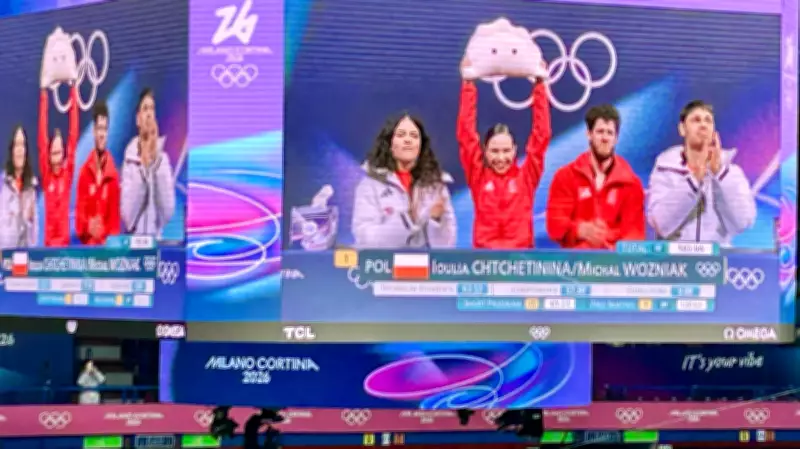
When I explained to the woman that my mask was unrelated to her and actually connected to my son's cancer treatment, she accused me of lying. Keeping her middle finger raised, she unleashed a torrent of profane personal insults targeting my appearance, clothing, and even my sexuality. I was gobsmacked—I had come to Milan for the skating, for moments like when the Polish pairs team skater joyfully held aloft a stuffed pierogi with a smiley face after her routine, not for a political confrontation.
The angry woman didn't stay for the medal ceremony. After she left, the Swiss woman seated on her other side shared that our countrywoman had been vulgarly complaining about both my mask and "immigrants" allegedly taking advantage of her elderly father in the United States.
Political Divisions Crossing Borders
I had traveled across the Atlantic Ocean, worrying about my son's health and how Americans would be perceived abroad, only to encounter vitriol from a fellow citizen who had packed her divisive politics along with her luggage. The current acrimony in the United States has infected the body politic at a cellular level, spreading like its own kind of virus. We see leaders demonizing people based on ancestry, skin color, language, gender identity, and political expression, while citizens increasingly square off against one another.
This incident highlighted why being surrounded by people from across the globe at Olympic events felt like such a relief. With the exception of that angry American, my husband and I encountered consistent kindness, camaraderie, and international unity—a welcome contrast to the dour American mood where most residents express dissatisfaction with the nation's direction and trust in one another remains low.

Reflections on Joy and Division
Since that night at the skating rink, I've wondered about the woman who sat beside me. Did she spend her time in Milan spreading the same tired cruelty we experience stateside? Did she find any joy beyond the satisfaction of "owning" someone she perceived as politically opposed?
After returning home, I received the smiley-faced pierogi plushie I had ordered as a memento of the Polish ice skating team's joyful moment. It now sits on my desk, serving not as a reminder of the anger directed at me, but as a symbol of hope that joy might one day feel less like a rare American experience and more like our common inheritance.