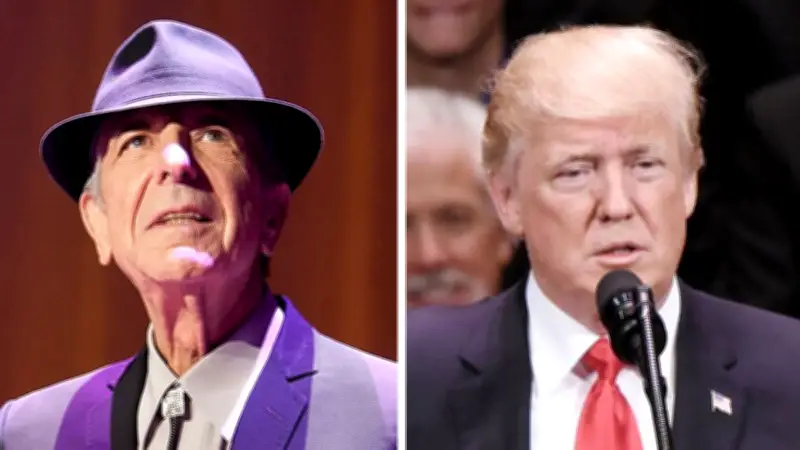
The estate of legendary Canadian singer-songwriter Leonard Cohen has formally opposed the use of his iconic song 'Hallelujah' at a recent campaign rally for U.S. President Donald Trump. In a statement released June 25, 2026, the Cohen estate expressed its disapproval, stating that the use of the song was unauthorized and did not align with Cohen's values.
Estate's Statement and Legal Concerns
The estate emphasized that they were not consulted about the use of 'Hallelujah' and that the song was played without permission. 'We would not have granted such permission had it been requested,' the statement read. The estate further noted that Cohen was known for his poetic and often political commentary, but his work was never intended to endorse specific political candidates or parties.
According to legal experts, the unauthorized use of copyrighted music at political rallies is a recurring issue. While campaigns often obtain blanket licenses from performing rights organizations, these may not cover all uses, particularly if the artist or their estate objects. The Cohen estate's opposition could lead to a cease-and-desist order or legal action if the song is used again without permission.

Context of the Rally and Previous Incidents
The Trump campaign played 'Hallelujah' at a rally in Michigan on June 24, 2026, prompting immediate backlash from fans and critics. This is not the first time a Trump rally has featured music without artist consent. Past incidents include the use of songs by Queen, the Rolling Stones, and Adele, all of whom publicly objected. The Cohen estate joins a growing list of artists who have distanced themselves from the Trump campaign's musical choices.
Leonard Cohen, who died in 2016, was a revered figure in music and literature, known for his deep, introspective lyrics. 'Hallelujah,' perhaps his most famous song, has been covered by hundreds of artists and is often used in contexts of reverence or celebration. The estate's objection underscores a desire to protect the song's integrity and Cohen's legacy.
Impact and Future Implications
The controversy has reignited debates about the use of music in political campaigns. The Cohen estate's strong stance may influence other artists to more closely monitor how their work is used. Some legal analysts suggest that campaigns should seek direct permission for songs that are closely associated with an artist's identity, especially when the artist or their representatives have publicly stated opposition to the candidate.
As of now, the Trump campaign has not responded to the estate's statement. However, the incident has drawn widespread media attention, with many outlets highlighting the disconnect between the song's themes of love and redemption and the divisive nature of the rally.