Jimmy Kimmel Delivers Bleak Diagnosis on Iran War Negotiations
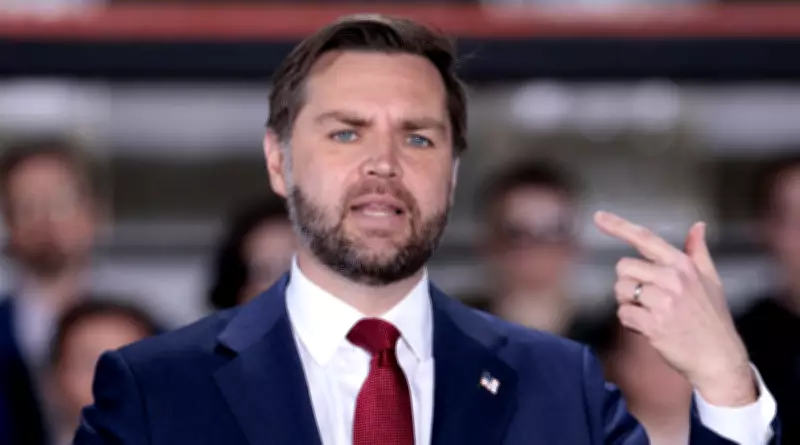
Late-night host Jimmy Kimmel offered a grim and humorous take on the escalating tensions between the United States and Iran, following reports that Iranian officials are insisting Vice President JD Vance lead American peace talks. During his Wednesday night monologue, Kimmel cracked that "Iran sees JD Vance as a more acceptable diplomatic figure than Witkoff and Kushner in the same way a canker sore is more acceptable than herpes." This sharp commentary underscores the perceived desperation in diplomatic circles as the conflict, dubbed Operation Epic Fury, nears its one-month mark.
Iran Rejects Trump's Original Negotiators
According to a report from The Guardian, President Donald Trump had initially selected Steve Witkoff, his special envoy to the Middle East, and son-in-law Jared Kushner to handle negotiations with Iran. However, Iranian officials reportedly refused to even meet with the pair, with diplomatic sources stating the regime had "zero trust" in Washington, D.C.'s original roster. Kimmel quipped that this might be the "first time anyone's ever wanted to talk to Vance," joking, "even his wife Usha was like, 'Are you sure they said JD?'"
Background on the Rejected Envoys
Steve Witkoff, a New York real estate developer, had virtually no foreign policy experience before his appointment as envoy by Trump last year. Jared Kushner, who served as a senior advisor during Trump's first term, played a key role in normalizing Israel's relations with other Middle Eastern nations. He is also known for his close ties to Saudi Crown Prince Mohammed bin Salman, a fierce rival of Iran in the Gulf region, which likely contributed to Tehran's distrust.

Strait of Hormuz Tensions Escalate
The diplomatic standoff coincides with heightened military tensions over the Strait of Hormuz, a critical maritime passage for global oil trade. During a Thursday cabinet meeting, Trump claimed Iran had allowed 10 oil tankers to pass through the strait as a "present." Just hours later, the White House announced an extension of an ultimatum for Iran to open the Strait, threatening bombs on Kharg Island if not complied with by Monday, April 6. This move highlights the volatile nature of the conflict and the urgent need for effective diplomacy.
Kimmel's full monologue, which delves deeper into these developments, has sparked discussions on the feasibility of Vance as a negotiator and the broader implications for U.S.-Iran relations. As both nations remain at loggerheads, the demand for Vance signals a profound lack of confidence in previous American envoys, painting a bleak picture for peace prospects.