Iranian Filmmaker in Hiding After Documenting Violent Crackdown on Protesters
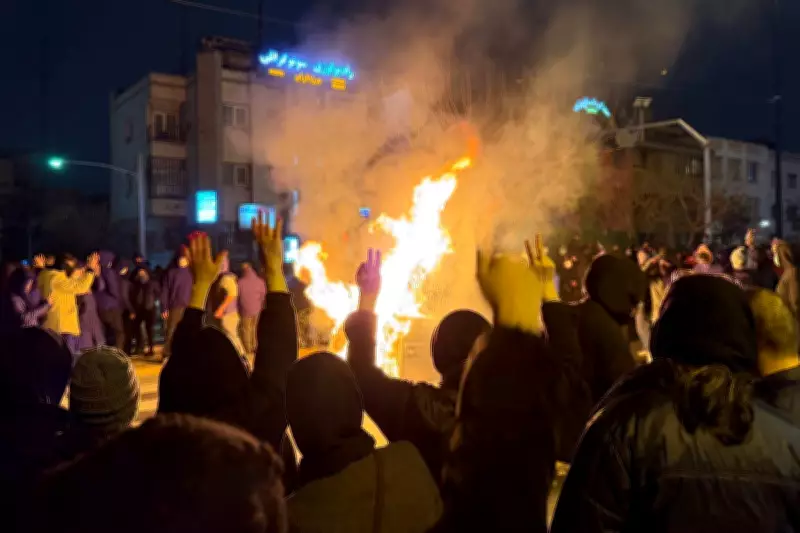
An Iranian filmmaker who bravely recorded the government's violent suppression of anti-government protests is now living in a state of constant fear, too terrified to venture outside her own home. The woman, whose identity remains protected for her safety, captured extensive footage of security forces using brutal tactics against demonstrators in Tehran during widespread unrest in early 2026.
The Dangerous Reality of Documenting Dissent
According to information obtained by The Associated Press, the filmmaker attended multiple protests in Iran's capital where she witnessed and recorded disturbing scenes of violence against civilians. Her documentation provides crucial evidence of human rights violations during a period of significant political tension in the country. However, this act of journalistic courage has come at a tremendous personal cost.
The filmmaker now faces ongoing threats and intimidation from unknown sources believed to be connected to Iranian authorities. She has described living in a perpetual state of anxiety, constantly looking over her shoulder and fearing retaliation for her work. "I can't stress that enough, I'm scared," she revealed in a statement that echoes the experiences of many activists and journalists in repressive regimes.

A Broader Pattern of Suppression
This case represents just one example of the dangerous environment facing those who document political dissent in Iran. The country has a well-documented history of targeting journalists, activists, and ordinary citizens who speak out against government policies or actions.
The situation highlights several critical issues:
- The extreme risks faced by citizen journalists in authoritarian states
- The psychological toll of living under constant threat of retaliation
- The challenges of preserving evidence of human rights violations
- The international community's limited ability to protect vulnerable individuals
International Context and Response
While this specific case unfolds in Iran, it occurs against a backdrop of global concern about press freedom and human rights. Many Western nations, including Canada, have repeatedly expressed concern about Iran's treatment of dissidents and journalists. However, practical options for protecting individuals within Iran's borders remain severely limited.
The filmmaker's predicament serves as a stark reminder of the personal sacrifices made by those who document injustice in dangerous environments. Her courage in continuing to speak out despite the risks provides valuable testimony about the realities of political repression in contemporary Iran.