Prince Harry's Final Legal Challenge Against Tabloids Could Rest on Private Investigator's Contested Statement
Prince Harry's concluding lawsuit against British tabloids is poised at a critical juncture, with the outcome potentially hanging on a disputed statement from a private investigator. The Duke of Sussex is leading a group of claimants accusing the publisher of the Daily Mail of privacy invasion through unlawful tactics, in a trial that forms part of the broader phone hacking scandal that has rocked the UK media landscape.
The High Court Battle Unfolds
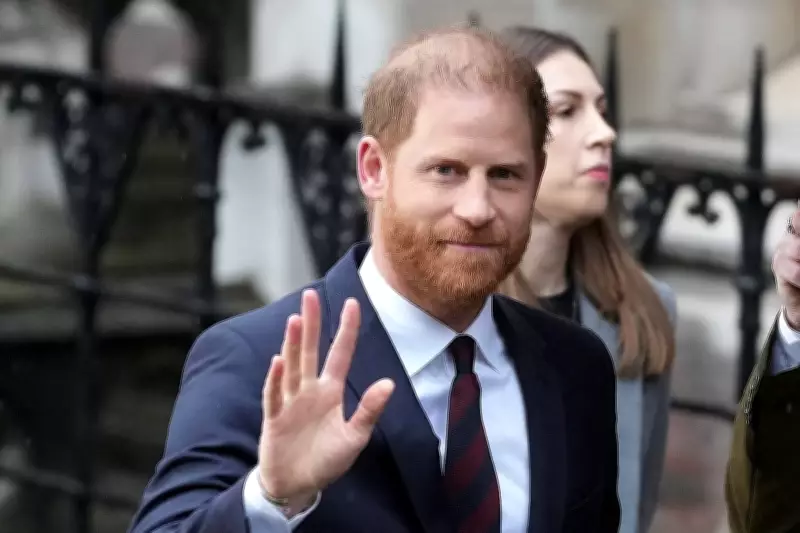
Prince Harry arrived at London's High Court earlier this year to spearhead the legal action, which alleges that the tabloid employed illegal methods to intrude on personal privacy. The case represents one of the final chapters in Harry's long-running campaign against press intrusion, following his previous settlements and ongoing disputes with other media outlets. The trial, which began in January 2026, has drawn significant public and legal attention as it delves into the alleged practices of private investigators working on behalf of tabloid publications.
The Crucial Evidence in Question
At the heart of the matter is a statement from a private investigator whose testimony is being hotly contested by both legal teams. This evidence could prove pivotal in determining whether the court finds the Daily Mail's publisher liable for privacy breaches. The investigator's account reportedly details methods used to gather information on Harry and other claimants, with allegations including phone hacking, blagging (obtaining information under false pretenses), and other intrusive techniques.

Legal experts suggest that the credibility and interpretation of this statement will significantly influence the trial's direction. If the court accepts the investigator's testimony as reliable, it could strengthen the claimants' case substantially. Conversely, if the statement is successfully challenged or dismissed, it might undermine key aspects of their allegations.
Broader Implications for Media Accountability
This case extends beyond Prince Harry's personal grievances, touching on wider issues of media ethics and accountability in the digital age. The phone hacking scandal, which first erupted over a decade ago, has already led to numerous convictions, newspaper closures, and substantial damages payments. Harry's latest lawsuit represents an ongoing effort to hold media organizations accountable for what he describes as "systemic abuse" of privacy rights.
The outcome could set important precedents for how courts handle similar privacy invasion claims in the future, particularly regarding the use of evidence from private investigators whose methods may themselves be legally questionable. It also highlights the continuing tension between press freedom and individual privacy rights in Britain.
Historical Context and Personal Significance
For Prince Harry, this legal battle carries profound personal significance. He has been vocal about the impact of media intrusion on his mental health and family life, citing it as a major factor in his decision to step back from royal duties and relocate to North America. This lawsuit represents what may be his final major legal confrontation with the British tabloid press, following years of litigation and public criticism of media practices.
The trial continues to unfold in London's High Court, with both sides preparing their final arguments. As the proceedings advance, all eyes remain on how the court will evaluate the contested statement from the private investigator—a document that may ultimately determine whether Prince Harry achieves what he has described as a long-sought measure of justice against press intrusion.