Fox News Panel's Discussion on Gavin Newsom Takes Uncomfortable Turn
The Wednesday edition of Fox News' panel show 'The Five' initially focused on the political liabilities that California Governor Gavin Newsom might face if he decides to run for president in the 2028 election. However, the conversation quickly shifted from policy analysis to personal territory, creating an awkward and controversial segment.
Personal Questions Replace Political Analysis
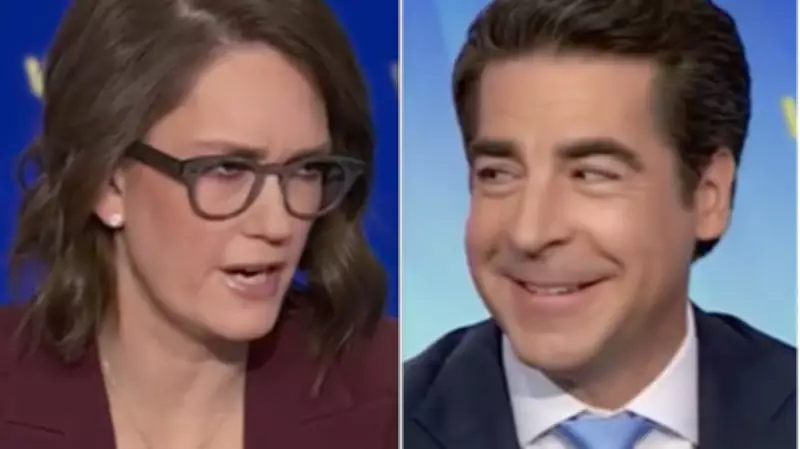
During the broadcast, co-host Jesse Watters directed a series of pointed questions at resident liberal panelist Jessica Tarlov regarding Governor Newsom's personal characteristics. 'And he's a straight white man,' Watters remarked about Newsom. 'Is that gonna be a problem, Jessica?'
Tarlov responded by stating, 'I am very into straight white men myself. I married one. So I think it's gonna be fine.' Fellow panelist Greg Gutfeld then sarcastically interjected, 'How dare you. You are now into straight white men?' to which Tarlov clarified, 'Not exclusively. I like everybody, I guess. But I married one.'

Religious Inquiries Escalate Tension
The questioning took a more contentious turn when Watters asked about Newsom's religious background. 'Is he Christian?' Watters inquired. Tarlov responded that Newsom's wife, Jennifer Siebel Newsom, was raised Catholic. Watters then stated, 'OK, just checking. Just wanna make sure we check all the boxes.'
When Tarlov added that 'all religions are good and fine,' Gutfeld questioned, 'All of them?' Watters then pressed further, asking 'Even Islam?' prompting Tarlov to exclaim, 'Get out. You're really gross.' Watters attempted to defuse the situation by saying, 'I'm just kidding. We love Muslims.'
Pattern of Controversial Remarks
This incident is not an isolated occurrence for Jesse Watters. The Fox News host has previously faced criticism for making women uncomfortable during interviews and broadcasts. Additionally, he has made remarks about Muslims that drew significant backlash, including criticism from the Biden administration.
The segment highlights how political discussions on cable news can sometimes veer away from substantive policy debates into personal territory that many viewers find inappropriate or offensive. The exchange raises questions about the boundaries of political commentary and the role of personal identity in presidential politics.