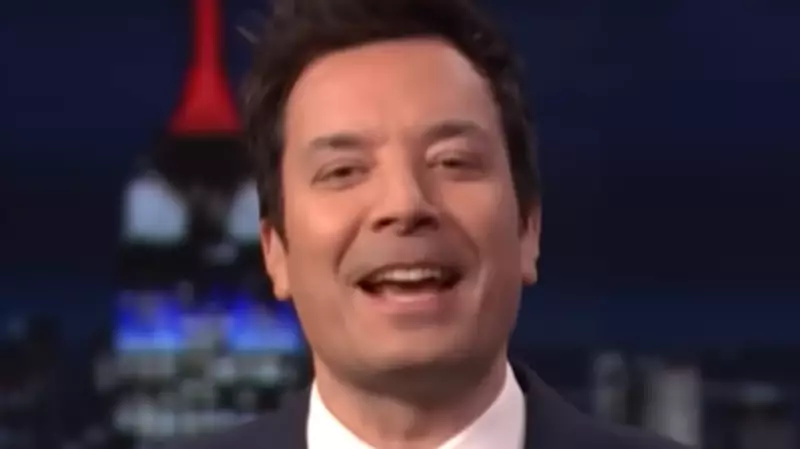
In a sharp segment on his Monday night broadcast, Jimmy Fallon took aim at Donald Trump's increasingly hardline stance on international affairs. The "Tonight Show" host juxtaposed the former president's aggressive rhetoric with a series of verbal stumbles, where Trump repeatedly mispronounced the names of the very countries he was discussing.
Fallon Highlights Trump's Geographic Gaffes
The comedy bit featured a compiled video reel showing Donald Trump struggling to correctly say the names of multiple countries. The nations he mangled included Venezuela, Namibia, Tanzania, Azerbaijan, and the United Arab Emirates. In a moment that drew particular laughter, Trump even flubbed the name of his own country, the United States.
Fallon used these clips to underscore a point about the dissonance in Trump's foreign policy approach. "It's one thing to talk tough," the host implied, "but another to consistently get the basic facts—like the correct names of sovereign states—wrong." The segment suggested that these errors could undermine the credibility of the tough talk.

A Detour to the Dentist's Chair
The monologue then took an unexpected turn, shifting focus to Trump's reported recent visit to a dentist. Fallon began with a quip about the nature of the job, saying, "Hey, if you’re going to get a job looking at Trump’s cavities, that’s probably the one you want."
He then imagined how the dental appointment might have unfolded, painting a humorous picture. "At the end of the visit the dentist was like, ‘I think you need a crown,’" Fallon said. He followed this with his impression of Trump's hypothetical reply: "You read my mind, sister!" The joke played on the dual meaning of "crown" in both dentistry and monarchy, a frequent theme in commentary about Trump.
The Role of Late-Night Comedy in Political Discourse
This episode of "The Tonight Show" continues the long tradition of late-night television serving as a platform for political satire. By using humour and video evidence, hosts like Jimmy Fallon distill complex policy critiques into accessible segments for a broad audience. The focus on verbal missteps, while seemingly light, touches on deeper questions about a leader's preparedness and attention to detail in global diplomacy.
The monologue successfully blended two critiques: one about the substance and presentation of foreign policy, and another about the perennial subject of Trump's public persona and personal habits. The combination ensured the segment was both pointed and entertaining for the show's viewers.