The upcoming 2025 Eurovision Song Contest in Basel, Switzerland, is already facing political controversy. The event's host has made a clear statement regarding Israel's participation, confirming that the production will not attempt to silence or drown out any audience disapproval, such as booing, during the Israeli performance.
A Stance on Audience Reaction
This declaration sets a precedent for how the contest will handle the palpable political tensions surrounding Israel's involvement. The host's comments indicate a commitment to allowing the live audience's genuine reaction to be heard, rather than employing technical measures to mask potential dissent. The performance in question will feature the Israeli contestant, Yuval Raphael, singing the song titled "New Day Will Rise."
Context and Background
The statement comes ahead of the 69th edition of the contest, scheduled for May 2025. Eurovision, while ostensibly a non-political music festival, has frequently been a platform for geopolitical expression. Israel's participation has been a point of contention in recent years, linked to the ongoing conflict in Gaza. The host's pre-emptive remarks suggest anticipation of a vocal response from segments of the audience in the stadium.

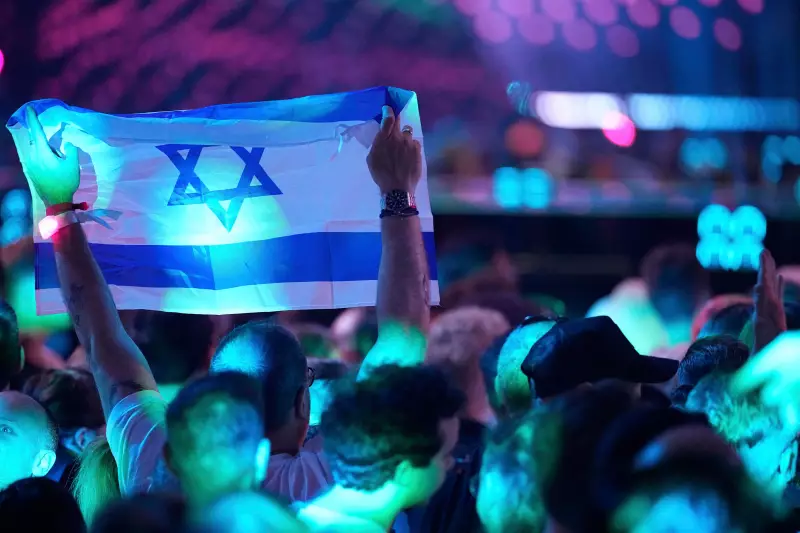
The decision reflects a broader debate about freedom of expression versus the contest's desired apolitical atmosphere. By choosing not to artificially alter the soundscape, organizers are placing the onus on the audience and the performing artist. The scene was set during the second semi-final on Thursday, May 15, 2025, where Israeli fans were pictured awaiting Raphael's performance.
Implications for the Broadcast
This policy raises questions for the global television broadcast. Typically, sound mixing can minimize crowd noise, but a conscious choice not to do so means viewers worldwide may hear a mixed or negative reaction clearly. It presents a significant moment for the European Broadcasting Union, which oversees the contest, balancing its values against the reality of viewer sentiment across its member nations.
The move is likely to be praised by free speech advocates but criticized by those who believe the contest should remain a purely artistic celebration devoid of political protest. All eyes will now be on the live event in Basel to see how this policy plays out during a performance that is sure to be one of the most scrutinized of the night.