Senior organizers of the Eurovision Song Contest are now facing a significant and politically sensitive dilemma: deciding whether Israel should be permitted to participate in the 2026 edition of the global music competition. This complex question follows a 2025 contest that was marked by heightened political tensions and protests related to international conflicts.
The Backdrop of a Politicized Contest
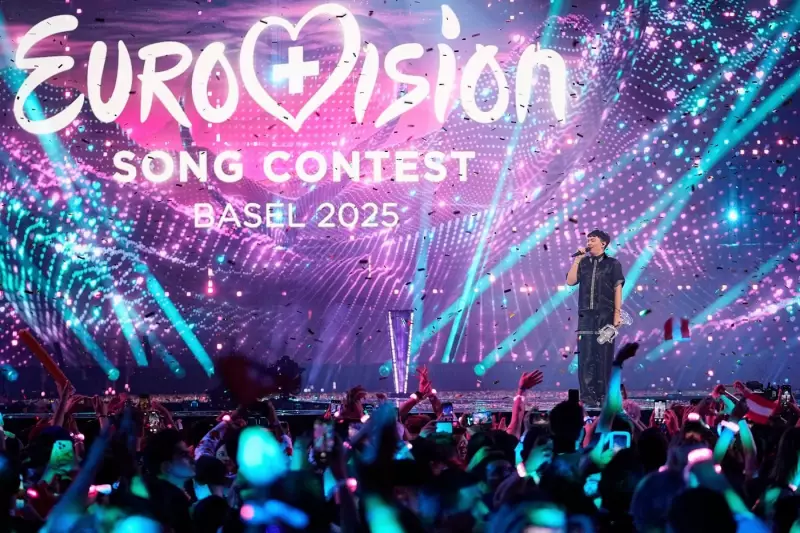
The issue comes to the forefront after the 69th Eurovision Song Contest, held in Basel, Switzerland, concluded on May 18, 2025. The event was won by JJ from Austria, who took home the trophy. However, the celebratory atmosphere was often overshadowed by demonstrations and debates concerning the participation of certain nations, setting a precedent that the European Broadcasting Union (EBU), which oversees the contest, must now carefully navigate for the future.
Navigating Politics and Performance
The core challenge for Eurovision chiefs is balancing the contest's long-standing non-political ethos against real-world geopolitical realities and public pressure. The question of Israel's inclusion is not merely logistical; it is deeply symbolic and has sparked intense debate among fans, participating broadcasters, and political observers. The decision will set a critical precedent for how the contest handles similar situations involving countries engaged in major international disputes.

Historically, the EBU has maintained that Eurovision is a competition between public broadcasters, not governments. However, this stance has been tested repeatedly. The organization's ruling will be closely scrutinized and could influence the lineup and tone of the 2026 contest, potentially affecting which other nations choose to participate or withdraw in solidarity or protest.
Implications for the Future of Eurovision
The resolution of this thorny issue will have far-reaching consequences. A decision to exclude Israel could be framed as a political act, contradicting the event's stated aims. Conversely, allowing participation amid significant controversy could lead to on-stage protests, boycotts by other artists or nations, and a further politicization of the broadcast. The EBU's handling of this situation will likely redefine the boundaries and responsibilities of the world's largest live music event.
As the planning cycle for the 2026 contest begins, Eurovision's leadership is under immense pressure to chart a course that preserves the contest's unity and celebratory spirit while acknowledging the complex world in which it exists. The eyes of millions of fans worldwide will be watching to see how this delicate balance is struck.