Duchess of Sussex Emphasizes 'Meg' as Preferred Name During Australian Visit
Meghan, Duchess of Sussex, has once again clarified her name preferences, this time during a high-profile tour in Australia with her husband, Prince Harry. According to media reports from the region, the Duchess expressed that she should simply be called "Meg," a more informal moniker that she has been promoting over the past year.
Royal Couple's Melbourne Engagement Sparks Name Discussion
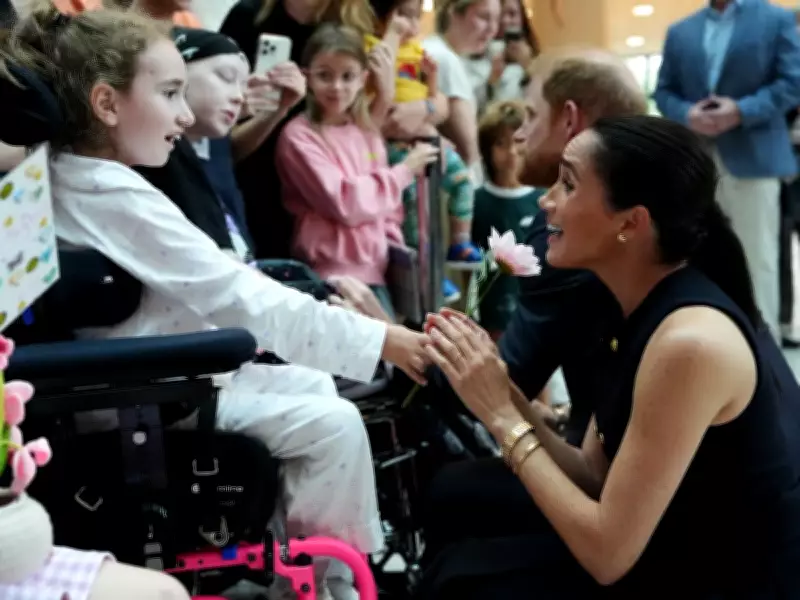
The first day of their four-day Australian visit, which included a stop at the Royal Children's Hospital in Melbourne on April 14, 2026, saw the Duke and Duchess of Sussex fielding questions about how they prefer to be addressed. While Prince Harry responded with a casual shrug, saying, "However you like," Meghan was more direct, suggesting, "Call me Meg." This interaction, as reported by The Telegraph, highlights the couple's ongoing efforts to shape their public image post-royalty.
Background on the Name Shift and Royal Titles
This latest clarification follows a series of announcements over the past year where Meghan indicated she no longer wishes to be known as Meghan Markle. She first made this clear during an episode of her Netflix cooking and lifestyle show, and later in interviews with Drew Barrymore and People magazine. The couple received their titles as the Duke and Duchess of Sussex from Queen Elizabeth II upon their marriage in 2018. However, after stepping down as senior royals in 2020, they were instructed to cease using the "SussexRoyal" brand and are no longer addressed with the formal "his or her royal highness" (HRH) designation.

Despite these changes, there is no legal impediment to using their titles as a last name, a practice common among other royals. Meghan's preference for "Meg Sussex" appears to be part of a broader strategy to establish a more personal and approachable identity, similar to how Catherine, Princess of Wales, is often referred to as Kate Middleton in the media. This move underscores the evolving nature of royal branding and public perception in the modern era.