Don Lemon's Arrest Ignites Media Firestorm Over Press Freedom
The arrest of former CNN anchor Don Lemon on Friday in connection with his coverage of an anti-ICE protest earlier this month has triggered a powerful and polarized response from media professionals across the political spectrum. The incident, which involves Lemon's filming of protesters who entered a Sunday morning service at Cities Church in St. Paul on January 20, has quickly escalated into a national debate about the boundaries of journalism and government authority.
Controversial Coverage Leads to Legal Action
Lemon's reporting focused on allegations that the church's pastor, David Easterwood, served as a top Immigration and Customs Enforcement official in Minnesota. Following the protest, Assistant Attorney General Harmeet Dhillon criticized Lemon's work as "pseudo journalism" and placed him "on notice." The Department of Justice initially attempted to charge Lemon for his presence at the scene, but those efforts were blocked by a Minnesota magistrate judge who refused to approve the charges.
The situation changed dramatically when Attorney General Pam Bondi announced Lemon's arrest on social media platform X. This development followed two previous judicial rejections of DOJ attempts to indict the journalist, including rulings from Magistrate Judge Douglas Micko and Chief Judge Patrick J. Schiltz, a former Scalia clerk appointed by President George W. Bush.

Media Colleagues Express Outrage and Concern
Prominent journalists and media organizations have voiced strong opposition to Lemon's arrest, framing it as a dangerous precedent for press freedom. CNN media analyst Brian Stelter characterized the situation as "a First Amendment test with multiple dimensions," while journalist Jim Acosta declared "The First Amendment is under attack in America!"
Other notable reactions included:
- David Axelrod referring to the "Department of Retribution, formerly known as the Department of Justice"
- Journalist Julie K. Brown invoking the famous "First they came for the journalists" warning
- The National Association of Black Journalists expressing being "outraged and deeply alarmed" by the arrest
- Congressman Dan Goldman warning about "Putin's America" and deteriorating press freedoms
Additional reports indicated that independent journalist Georgia Fort was also taken into custody, raising concerns about broader patterns of journalist targeting.
Conservative Media Voices Support Arrest
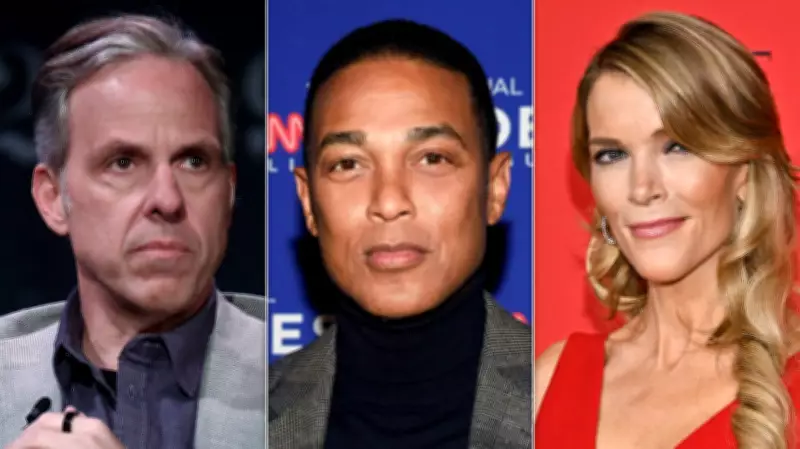
Not all media reactions condemned the government's action. Several conservative commentators and podcasters expressed support for Lemon's arrest, arguing that journalism credentials should not provide immunity from legal consequences. Mark R. Levin asserted that Lemon "intentionally joined in the disruption of the church service," while Megyn Kelly maintained that "journalists don't get a pass when breaking the law just because they have a mic."
Other conservative voices took more cynical approaches, with Steve Krakauer suggesting the arrest would benefit Lemon's brand and Matt Walsh demanding substantial prison time for conviction. Kat Rosenfield offered a nuanced perspective, acknowledging potential First Amendment violations while questioning whether Lemon's actions constituted mere observation.
Broader Implications for Journalism and Democracy
The polarized response highlights deep divisions within American media about the role of journalists in covering protests and the appropriate limits of government authority. Former Fox News journalist Gretchen Carlson warned that the arrest "has nothing to do with politics" from a journalistic perspective, questioning whether conservative journalists would want similar treatment under a Democratic administration.
This incident occurs against a backdrop of increasing tension between media organizations and government authorities, raising fundamental questions about press freedom protections in the digital age. The fact that Lemon's arrest proceeded despite two previous judicial rejections adds complexity to the legal and constitutional dimensions of this case.

As the story continues to develop, it serves as a powerful reminder of the fragile nature of First Amendment protections and the ongoing struggle to balance journalistic freedom with legal accountability in an increasingly polarized media landscape.