Chess Grandmaster's Tragic Death Attributed to Accidental Overdose
A recent report has confirmed the tragic passing of chess grandmaster Daniel Naroditsky, attributing his death to an abnormal heartbeat resulting from an accidental overdose. The news, initially released by The Associated Press on January 21, 2026, has sent shockwaves through the international chess community and beyond.
Details of the Incident
According to official sources, Naroditsky's death was caused by a cardiac arrhythmia, specifically an abnormal heartbeat, which medical examiners linked to an unintentional overdose. While the specific substances involved have not been publicly disclosed in the initial report, authorities emphasize the accidental nature of the event, ruling out any suggestion of intentional harm.
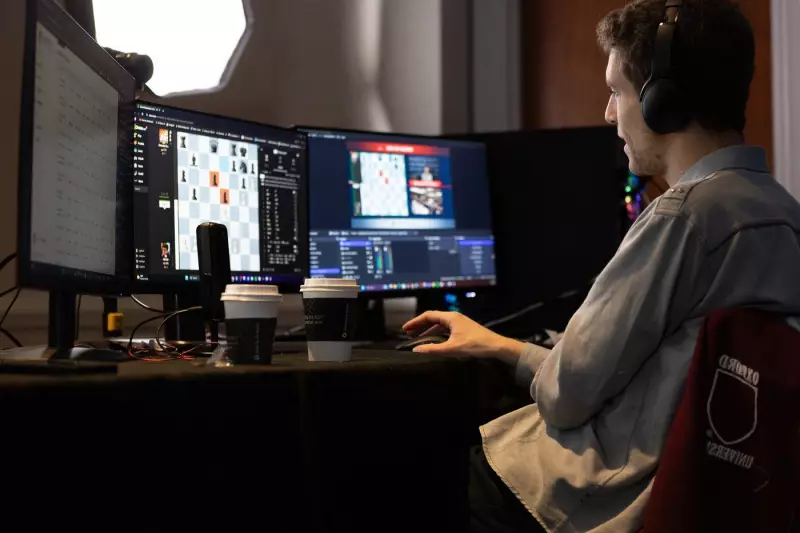
Daniel Naroditsky was a prominent figure in the chess world, known for his strategic prowess and contributions to the game. A photo released by the Charlotte Chess Center, where he was affiliated, shows him deeply engaged in a computer chess match, a testament to his lifelong dedication to the sport.

Impact on the Chess Community
The loss of such a talented player has prompted an outpouring of grief from fellow grandmasters, enthusiasts, and organizations worldwide. Naroditsky was not only a competitor but also an educator and streamer, helping to popularize chess through online platforms and instructional content.
His unexpected death at a relatively young age highlights broader concerns about health and wellness, even among individuals in non-physical, intellectually demanding fields. The chess community is now reflecting on how to better support the mental and physical well-being of its members.
Broader Context and Reactions
This incident occurs amidst a national conversation in Canada about health, addiction, and safety, as seen in related news items about recalls, public health warnings, and community safety issues. While unrelated to those specific events, Naroditsky's death underscores the unpredictable and often hidden risks associated with medication and substance use.
Authorities continue to investigate the full circumstances surrounding the overdose, though they have stated there is no evidence of foul play. The focus remains on understanding how such a tragic accident could befall someone of Naroditsky's stature and intellect.
As the chess world mourns, tributes are pouring in, celebrating his legacy as a brilliant mind and a passionate ambassador for the game. His contributions to chess theory and his engaging teaching style will be remembered by fans and players for years to come.