Bad Bunny Delivers Powerful Political Message at Grammy Awards
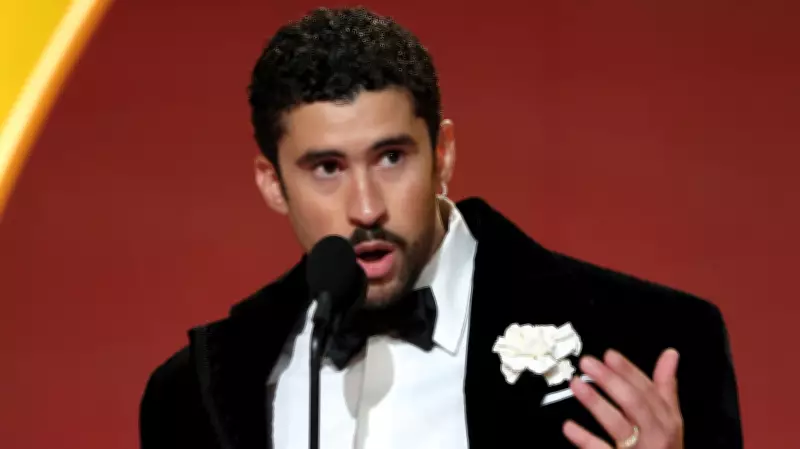
During Sunday's 68th Grammy Awards ceremony in Los Angeles, Latin music phenomenon Bad Bunny transformed his moment of artistic recognition into a platform for political activism. The Puerto Rican artist, who won the Grammy for Best Música Urbana Album for his work "Debí Tirar Más Fotos," used his brief acceptance speech to deliver a pointed critique of U.S. immigration enforcement policies under former President Donald Trump.
A Direct Challenge to Immigration and Customs Enforcement
Before offering traditional thanks, Bad Bunny opened with a clear directive: "ICE out," directly referencing U.S. Immigration and Customs Enforcement. He then articulated a powerful defense of immigrant communities, stating emphatically: "We are not savage. We are not animals. We are not aliens. We are humans, and we are Americans."
The artist continued with a message advocating for love over hatred, emphasizing: "The hate gets more powerful with more hate. The only thing that is more powerful than hate is love. So, please, we need to be different. If we fight, we have to do it with love." He concluded this portion of his remarks by reinforcing his commitment to community and family values.

Audience Response and Historical Context
The star-studded audience at the Crypto.com Arena responded enthusiastically to Bad Bunny's statements, with many attendees who were already wearing "ICE Out" pins rising to give the performer a standing ovation. This moment highlighted how political expression has become increasingly integrated into major entertainment industry events.
Bad Bunny's Grammy speech represents a continuation of his established advocacy position. Last year, the artist revealed he had deliberately avoided U.S. venues during his "Debí Tirar Más Fotos Tour" due to concerns about ICE targeting his fans. In an interview with i-D magazine before beginning his tour in the Dominican Republic, he expressed specific worries about immigration enforcement presence at his concerts.
Broader Implications and Reactions
The artist's political stance has drawn attention beyond the music industry, particularly following the announcement that Bad Bunny will headline the upcoming Super Bowl halftime show on February 8. While some Trump supporters have criticized the NFL for this selection, Commissioner Roger Goodell has publicly defended the decision.
Goodell told The Associated Press that Bad Bunny represents "one of the leading and most popular entertainers in the world" and that the league remains "confident it's going to be a great show." This endorsement underscores how entertainment platforms increasingly intersect with political discourse, particularly regarding immigration policy and social justice issues that affect Latin American communities in the United States.
Bad Bunny's Grammy moment serves as a significant example of how artists are using their visibility to address pressing social and political concerns, particularly those affecting immigrant populations and communities of color across North America.