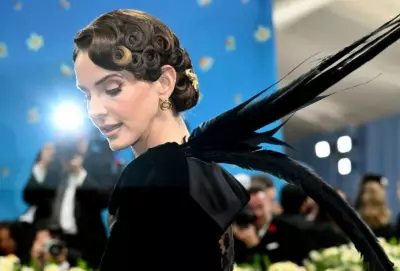
In a powerful and personal move, acclaimed actress and humanitarian Angelina Jolie has chosen to reveal the scars from her preventive double mastectomy in the pages of Time magazine's French edition. The revelation, published on December 15, 2025, marks a significant moment in her ongoing public advocacy for health awareness and preventive medicine.
A Decision Rooted in Personal History
Jolie's decision to undergo a preventive mastectomy over a decade ago was driven by a genetic predisposition. She carries a mutation in the BRCA1 gene, which significantly increases the risk of developing breast and ovarian cancer. Her mother, Marcheline Bertrand, died of ovarian cancer at age 56. By publicly sharing her journey then, Jolie sparked a global conversation about genetic testing and proactive healthcare choices.
The new photos in Time France represent a continuation of that advocacy. By visibly showing her scars, Jolie moves the discussion beyond the clinical decision to the lived, physical reality of such a choice. It is a raw and honest portrayal of survival and bodily autonomy.

Timing and Context of the Revelation
The magazine feature comes as Jolie remains in the public eye for her professional work. She was recently photographed on the red carpet at the Rome Film Fest on October 18, 2025, for the screening of her film "Couture." The contrast between the glamorous red-carpet appearances and the vulnerable, intimate magazine spread underscores the multifaceted nature of her public persona.
This act is not merely a personal disclosure but is framed within her long-standing work with women's health and rights issues globally. It serves as a reminder of the importance of access to genetic testing, quality surgical care, and psychological support for those facing similar health decisions.
The Impact and Ongoing Advocacy
Angelina Jolie's initial op-ed about her mastectomy in 2013 led to a documented "Angelina Jolie effect," where referrals for genetic testing and consultations about preventive surgery saw a notable increase. By revisiting this chapter of her life visually, she reignites that conversation for a new audience and in a new media landscape.
The decision to share these images in a major international publication like Time ensures the message reaches a wide, influential audience. It challenges societal norms around beauty, perfection, and the female body, promoting a narrative of strength forged through difficult choices. Her advocacy emphasizes that such scars are not marks of loss, but rather symbols of a proactive fight for life and health.
By choosing Time France for this reveal, Jolie also engages a European audience, highlighting that health concerns and the conversations around them are universal. Her story continues to empower individuals to take charge of their health narratives, armed with information and without shame.