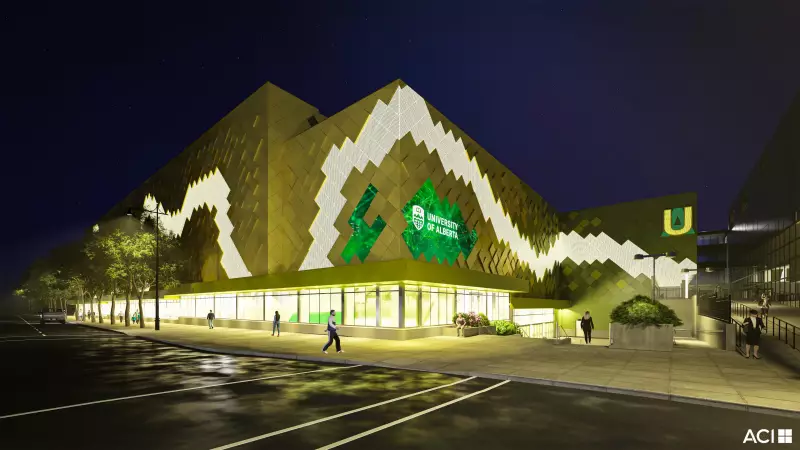
Edmonton's Universiade Pavilion Renovation Plans Revealed with New Renderings
New architectural renderings for the planned renovation of Edmonton's iconic Universiade Pavilion, commonly known as the Butterdome, have been officially unveiled. The designs, released by ACI Architects, showcase a thoughtful approach to modernizing the facility while maintaining deep respect for its historical significance and distinctive architectural character.
Preserving Architectural Heritage While Planning for the Future
The renderings demonstrate a careful balance between contemporary functionality and preservation of the building's recognizable features. The Universiade Pavilion, constructed for the 1983 Summer Universiade, has become an Edmonton landmark with its unique yellow exterior and distinctive dome structure that inspired its popular nickname.
The renovation plans appear to maintain the building's most recognizable elements while proposing updates to interior spaces, accessibility features, and energy systems. This approach reflects growing trends in architectural conservation that seek to extend the lifespan of culturally significant buildings through thoughtful adaptation rather than replacement.

Community Impact and Facility Enhancement
The Butterdome serves multiple functions for the University of Alberta and broader Edmonton community, hosting athletic events, examinations, and various university activities. The renovation is expected to enhance these uses while potentially creating new opportunities for community engagement.
While specific details about the renovation timeline and budget have not been fully disclosed in the initial announcement, the release of these renderings represents a significant step forward in the planning process. The visualizations provide the public with their first comprehensive look at how this Edmonton landmark might evolve in the coming years.
The architectural team has emphasized their commitment to honoring the building's history throughout the design process. This approach aligns with broader movements in Canadian architecture that value adaptive reuse of existing structures, particularly those with strong community connections and historical significance.