From Humble Beginnings to Major Philanthropy: Bob Rennie's $65 Million Art Legacy
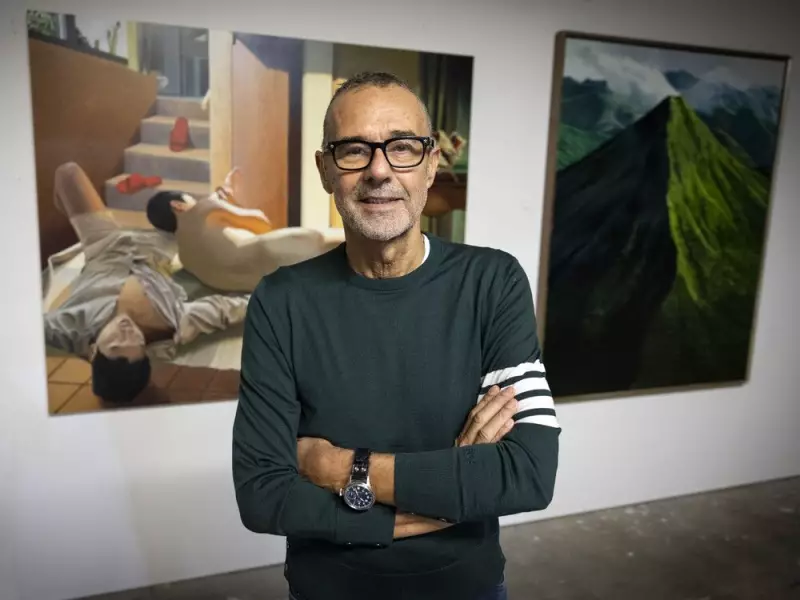
Bob Rennie, often called Vancouver's "Condo King," has transformed his personal passion for art into a remarkable national legacy through substantial donations to the National Gallery of Canada. The Vancouver-based real estate magnate has gifted artworks valued at approximately $65 million to the Ottawa institution, with plans to continue his philanthropic efforts in the coming year.
A Personal Journey with Art
Rennie's connection to art began during a challenging childhood in Vancouver's east side, where he found refuge from family turmoil at his aunt and uncle's home. Their collection of auction-acquired artworks introduced him to a world far removed from his immediate surroundings. This early exposure planted seeds that would later blossom into a lifelong passion.
"Being poor and from the downtown east side, I saw that print — a boy and girl on top of the world — as some kind of a utopia," Rennie recalled about his first significant art purchase in 1974. That Norman Rockwell print, acquired during a trip to San Francisco when he was just a teenager working as a busboy, now hangs in his Granville Island home as a testament to his journey.

Building an Extraordinary Collection
From that initial $375 purchase, Rennie's collection has grown exponentially. Today, approximately 120 artworks grace his home, while another 3,800 pieces are stored in Vancouver warehouses. An additional 102 works are currently on loan to museums and galleries worldwide, demonstrating the collection's international significance.
Rennie's approach to collecting has evolved from personal acquisition to strategic philanthropy. In late November, he donated a batch of art valued at approximately $30 million to the National Gallery, following earlier gifts including 61 pieces worth $22 million. His relationship with the gallery began in 2012 and has grown into one of Canada's most significant art philanthropy relationships.
Why the National Gallery?
Rennie has carefully considered the long-term preservation and accessibility of his collection. "I need the best custodian in the world, so that's why the National Gallery is the perfect home for this artwork because they can conserve, they can preserve and they can lend the art to other museums and galleries," he explained.
This strategic approach ensures that the artworks will be professionally maintained and made available to audiences across Canada through the gallery's lending programs. Rennie recognizes that public institutions provide the ideal environment for art to reach its fullest potential as a cultural resource.
The Real Estate Foundation
Rennie's ability to build such an extensive collection and make substantial donations stems from his remarkable success in Vancouver's real estate market. Beginning as a workaholic real estate agent at age 21, he capitalized on the city's condo boom starting in 1989. His various real estate entities now span marketing, buying, and selling operations, earning him both wealth and the "Condo King" moniker from Vancouver media.
Despite his business success, Rennie finds that his real estate identity sometimes overshadows his passion for art in social settings. "People in social settings tend to know me as the condo guy and all they ever want to talk to me about is real estate," he noted, expressing a desire to be recognized for his cultural contributions as well.
Looking Forward
With plans to continue donating artworks in 2024 and beyond, Rennie's philanthropic vision extends well beyond his initial gifts. His approach represents a thoughtful model of cultural stewardship, ensuring that significant artworks remain accessible to all Canadians through public institutions rather than disappearing into private collections.
The $65 million in donations to date represents just part of Rennie's broader commitment to making art available to the public. As he continues to share his collection with the National Gallery, more Canadians will have the opportunity to experience works that might otherwise remain in private hands, fulfilling Rennie's vision of art as a shared national resource.