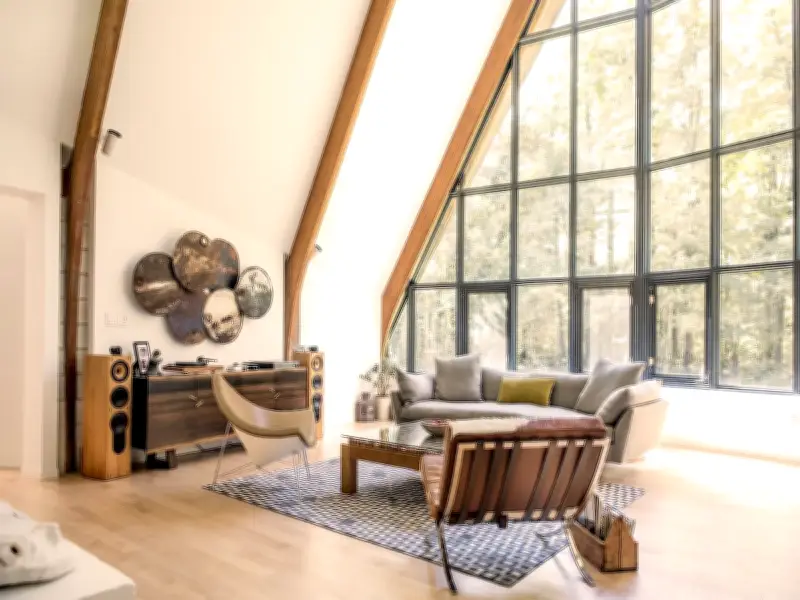
Interior designers are increasingly fielding requests for screen-free sanctuaries, as homeowners seek refuge from digital overload. Nathan Buhler of Toronto-based BLDG Workshop recalls an audiophile client whose vinyl collection was so sizable it warped the floorboards. The client wanted to move the extensive library from the basement to the main floor, creating an ultimate listening space at the heart of the home.
The Rise of Analog Rooms
Buhler explains that the trend reflects a return to tangible hobbies and a desire for more screen-free family time. Instead of a Calgary suburban home with a gas fireplace and a giant television, people now request rooms that promote digital detox: sofas facing each other, comfortable armchairs with reading lights, tables for board games, and even checkerboard-patterned tables.
Beyond Recreation
Not all analog rooms are recreational. Buhler designed a home with a stand-alone library and a work room featuring just an easel for jotting notes, centering on physical activity rather than a computer. Other popular screen-free rooms include bedrooms, meditation rooms, hot yoga rooms, billiards rooms, and libraries.

Canadian musician and author Dave Bidini transformed his garage into an analog hangout. After clearing out a hoarder's belongings, he installed a 1973 Rowe AMI jukebox and a ping-pong table. Bidini values the tech-free zone for mental health, noting it naturally invites conversation and music with friends.
Design Principles
Luke Havekes, principal at Luke Havekes Design in Montreal, observes that clients seek houses with multiple purpose-based screen-free rooms, such as bedrooms for sleeping, craft rooms for scrapbooking, or sunrooms for plants. Libraries are making a strong comeback. Havekes emphasizes that clients prefer aesthetic environments where screens are hidden, surrounded by noble materials like leather, marble, metal, or natural fibers, rather than synthetic plastics.
Gabrielle Kozhukh-Joo of Mindwell Design adds that rooms reducing mental fatigue are meant to be felt, not just seen. The analog aesthetic prioritizes sensory experience over digital stimulation, offering a calming retreat in an increasingly connected world.