Canada's Skilled Trades Crisis: Underfunded Schools Can't Meet Industry Demands
How can Canada's secondary students enter the skilled trades eager and capable when their training relies on outdated equipment? This pressing question challenges both government education funding bodies and industry partners who depend on a skilled workforce. The solution does not necessarily require massive financial investments but begins with a fundamental recognition: secondary education serves as the critical initial step in workforce development.
The Foundation Starts in High School
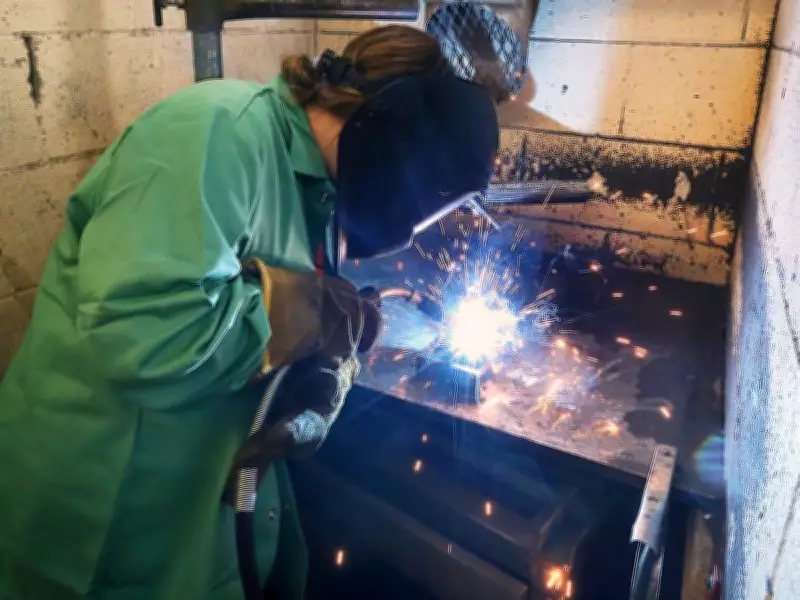
Canada's skilled trades workforce often finds its origins in a high school welding booth, where a curious student uses their hands to fuse metal and discovers a gateway into valuable career pathways. Technical education begins early, yet many programs struggle with insufficient resources. According to conversations between the CWB Foundation and technical educators, budgets are being cut, sometimes limiting students to working with steel only once or twice weekly. These cuts frequently fail to cover basic consumables, essential safety gear, or necessary equipment maintenance.
Outdated Equipment Hinders Student Preparedness
Welding technology has advanced significantly, requiring students to acquire foundational skills while gaining exposure and proficiency with multi-process welding machines, automated systems, and modern safety standards. Unfortunately, many students train on obsolete equipment, leading to a common issue where employers must provide retraining for new hires. This disconnect creates frustration on both sides, as educators do their best with limited tools, which may explain why young welders often appear inexperienced upon entering the workforce.

Industry Partnerships Are Essential
The CWB Foundation receives approximately 195 grant applications annually from secondary schools across Canada seeking welding equipment, consumables, and skills training support to better prepare students for real-world work. However, donor funding only supports about 30 percent of these requests. When 70 percent of assistance requests go unfunded despite critical need, it signals that both governments and industry must take decisive action. Educational funding, combined with external funding from industry partnerships, can and should help bridge this gap.
Addressing the Skills Gap
This issue is especially urgent given that 47 percent of employers report they cannot find qualified welders, according to the CWB Group's 2024 Canadian Welding Industry Employment and Salary Report. Employers must invest in environments where skills develop rather than complaining about skills gaps while outdated equipment—like five-year-old plasma cutters—gather dust instead of being donated to educational institutions. Technical education requires active industry collaboration to ensure students gain relevant, up-to-date experience.
The disconnect between underfunded schools and industry demands must be addressed promptly. By fostering stronger partnerships and committing to adequate funding, Canada can build a robust pipeline of skilled trades professionals ready to meet the challenges of the modern workforce.