Calgary School's Ramadan Accommodation Policy Creates International Firestorm
A seemingly straightforward effort by a Calgary school to accommodate Muslim students fasting during Ramadan has spiraled into an international controversy, raising questions about communication, religious accommodation, and modern media dynamics.
The Initial Notice That Started It All
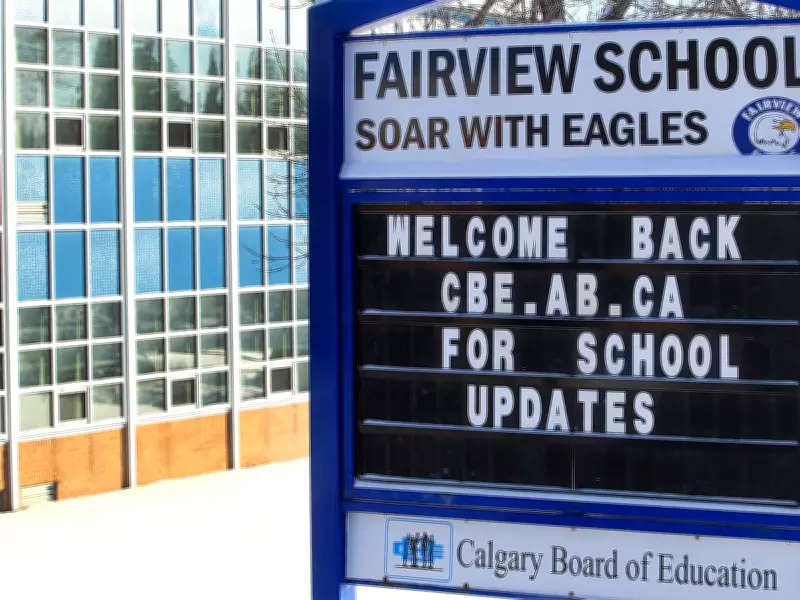
Fairview School in Calgary sent a notice to parents on February 18 detailing their plan to support students observing Ramadan. The school announced it would provide no-food spaces during lunch hours for fasting students. For students in Grades 4 through 6, the cafeteria would become a no-food zone during the first half of lunch, with students moving outside for the second half. For students in Grades 7 through 9, the lunchroom would be designated as a no-food space for the entire lunch period.
The school's use of capital letters in their notice - "No Food" cafeteria and "No Food" lunch room - created immediate confusion among some parents and community members. The notice lacked detailed explanation about how this would affect non-fasting students who weren't observing Ramadan, leaving room for interpretation and misunderstanding.

From Local Initiative to International Headlines
What began as a local school policy quickly escalated into an international media story. The Daily Mail's U.S. edition ran with the headline: "Woke Canadian school bans children from eating in its cafeteria and lunch room to avoid offending Muslim students during Ramadan." The New York Post followed with their own coverage, describing how the story had "shot into the spotlight" with their headline: "Canadian school sparks controversy over no food zones to serve Muslim students fasting for Ramadan."
The Calgary Board of Education found itself in an unexpected international spotlight, with Calgary appearing on the global map in a way the public school board hadn't anticipated or desired. The situation demonstrated how quickly local educational decisions can become fodder for international media narratives in today's interconnected digital world.
Parental Confusion and Administrative Response
Despite some assumptions that parents at the school understood the notice perfectly, the Calgary Board of Education acknowledged that confusion did exist. Some parents had questions about the policy's implementation and how it would affect their children. While the board stated that these questions had been addressed, the damage was already done - the controversy had taken on a life of its own.
The situation highlighted the importance of clear communication when dealing with sensitive cultural and religious matters. Critics argued that the school should have anticipated potential misunderstandings and provided more detailed explanations from the outset, especially considering how quickly information spreads through social media channels in the modern era.
Broader Implications for Educational Institutions
This incident serves as a cautionary tale for educational institutions navigating religious accommodation in increasingly diverse communities. The controversy raises important questions about:
- How schools can best support religious observance while maintaining clarity for all students
- The importance of anticipating how policies might be perceived beyond the immediate school community
- The need for comprehensive communication strategies when implementing culturally sensitive initiatives
- How to balance religious accommodation with the practical realities of school operations
The Calgary Board of Education eventually issued a statement addressing the controversy, but the incident had already demonstrated how quickly well-intentioned policies can become misunderstood and politicized in today's media landscape. The story continues to spark discussions about religious accommodation, educational policy, and media responsibility in covering sensitive community issues.