Walpole Island School Unveils Fish Hatchery to Enhance Science Learning
In an innovative move to boost hands-on science education, the Anishinaabeg Kinomaagewgamig Immersion School on Walpole Island First Nation has officially opened a new fish hatchery. The facility, named Giigoonyig Enjintaawgiwaad, aims to immerse students in practical ecological studies, with a particular focus on freshwater restoration and sturgeon conservation.
Bringing Science to Life Through Practical Experience
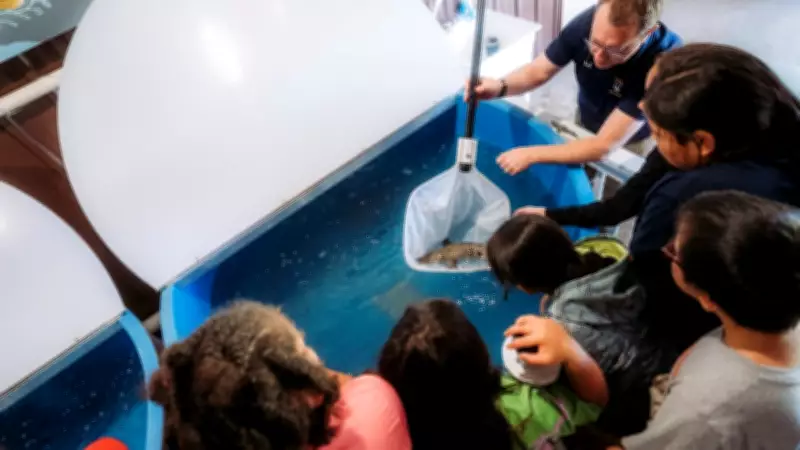
The hatchery launch event featured Dr. Trevor Pitcher, director of the University of Windsor's Freshwater Restoration Ecology Centre, who engaged students by showcasing juvenile sturgeon. This interactive demonstration highlighted the hatchery's role in connecting classroom learning with real-world environmental stewardship. By participating in hatchery operations, students gain firsthand experience in aquatic biology, water quality monitoring, and species management.
This initiative represents a significant step in integrating Indigenous knowledge with Western scientific methods, fostering a holistic approach to education. The school's location on Walpole Island, surrounded by rich freshwater ecosystems, provides an ideal setting for such experiential learning. Students will not only learn about fish biology but also contribute to local conservation efforts, potentially aiding in the recovery of threatened sturgeon populations.

Educational Benefits and Community Impact
The hatchery project is designed to enhance STEM (Science, Technology, Engineering, and Mathematics) education by offering students tangible opportunities to apply theoretical concepts. Key activities include:
- Breeding and rearing fish species, with an emphasis on sturgeon, to understand life cycles and habitat requirements.
- Conducting water tests and analyzing data to learn about ecosystem health and pollution control.
- Collaborating with university researchers and community elders to blend traditional ecological knowledge with modern science.
This hands-on approach is expected to increase student engagement and interest in science careers, particularly in fields related to environmental protection and resource management. Moreover, the hatchery serves as a community resource, promoting awareness of freshwater issues and encouraging sustainable practices among residents.
By investing in such educational infrastructure, the school aims to empower the next generation of environmental leaders. The project underscores the importance of place-based learning, where students' surroundings become a living laboratory for discovery and innovation.