OSAP Reforms Face Backlash as Students Navigate Financial Hardships
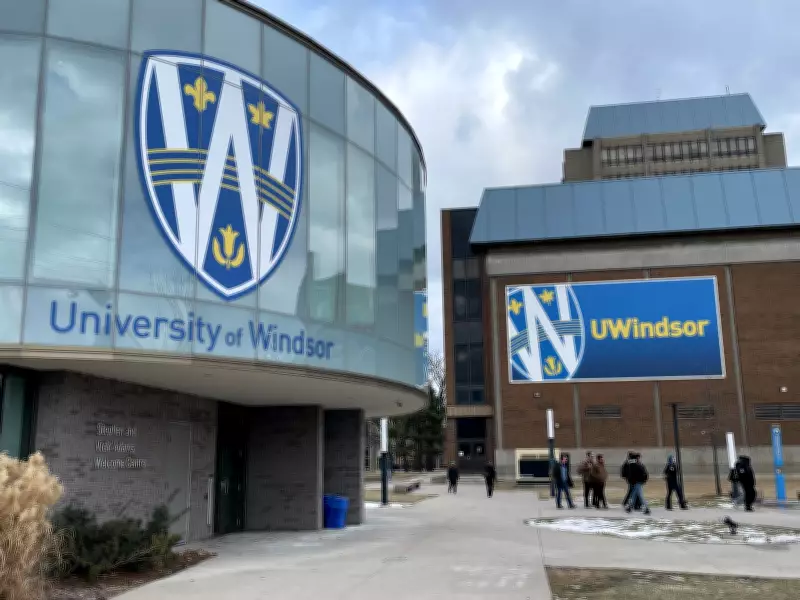
Recent modifications to the Ontario Student Assistance Program (OSAP) have been met with significant disappointment from students at the University of Windsor, who are currently facing a mounting cost-of-living crisis. The changes, which include adjustments to grant eligibility and loan repayment terms, have raised concerns about increased financial burdens on post-secondary learners.
Impact on University of Windsor Students
At the University of Windsor, located in Windsor, Ontario, students have expressed frustration over the OSAP updates. Many rely on this financial aid to cover tuition, housing, and daily expenses, but the reforms threaten to exacerbate their economic struggles. With rising inflation and housing costs in the region, the adjustments are seen as poorly timed and insufficient to address the real-world challenges students encounter.
Key issues highlighted by students include:

- Reduced access to non-repayable grants, forcing more reliance on loans.
- Stricter eligibility criteria that may exclude middle-income families.
- Longer repayment periods that could lead to increased debt over time.
Broader Context of Student Financial Stress
The OSAP changes occur against a backdrop of a nationwide cost-of-living crisis affecting post-secondary education. Students across Ontario are reporting heightened financial anxiety, with many taking on part-time jobs or cutting essential expenses to make ends meet. This situation underscores the need for more supportive policies that prioritize affordability and accessibility in higher education.
Experts warn that without adequate funding, students may face delayed graduations or increased dropout rates, impacting future workforce development.
Looking Ahead: Calls for Reform
In response to the criticism, student advocacy groups at the University of Windsor are calling for a reevaluation of the OSAP reforms. They urge policymakers to consider the direct impact on learners and to implement measures that better align with the economic realities of today's students. Potential solutions include increasing grant amounts, expanding eligibility, and offering more flexible repayment options.
As the debate continues, the focus remains on ensuring that financial aid programs effectively support students through their academic journeys without compounding their financial woes.