In a recent article by Chris Cobb examining the lessons from the 1975 school shooting at St. Pius X in Ottawa, a critical point has sparked debate. Cobb described Principal Father Lunney's decision to resume classes the day after the tragedy as "a mistake," suggesting he "saw no reason the shooting should disrupt the school's agenda." However, this portrayal is challenged by those who were directly involved, who argue it misrepresents the careful deliberation behind that pivotal choice.
The Context of the 1975 Tragedy
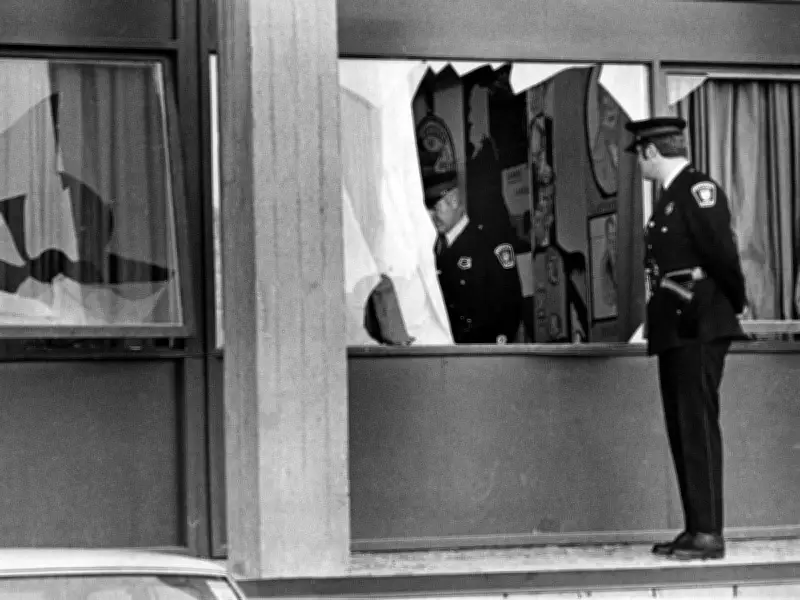
On October 27, 1975, St. Pius X High School became the site of one of Canada's earliest school shootings, a harrowing event that left the community reeling. In the immediate aftermath, with little research or established protocols for such crises, school leaders faced an unprecedented challenge. The decision to reopen the school the following day was not made lightly or in isolation.
A Consensus-Based Approach
Contrary to Cobb's implication, Father Lunney engaged in extensive consultations that afternoon. He reached out to various members of the school community, including medical professionals like the father of a former student, seeking insights on how to proceed. At that time, trauma response teams were virtually nonexistent, and the prevailing advice from these discussions was that returning to school as soon as possible would benefit most students and staff.

The reasoning was psychological: delaying the return risked reinforcing anxiety and fear associated with the school environment. This consensus, though formed in an era lacking modern trauma science, has proven prescient. Today, educational and psychological experts generally advocate for a prompt return to routine after traumatic events, as it can aid in recovery by restoring normalcy and reducing avoidance behaviors.
Personal Reflections from a Survivor
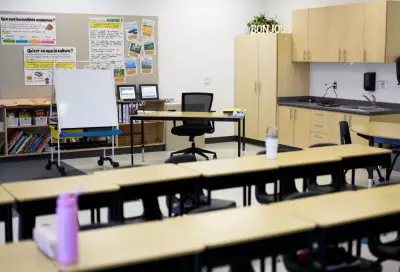
One former student, Cyril Butler of Ottawa, shares a poignant account of that surreal day. "It was surreal for us to be back at Pius the next day, walking that same hall and returning to the classroom in the same wing, 24 hours after having run as fast as we could away from the building," Butler recalls. He emphasizes that for many, including himself, a prolonged delay might have made it harder to return at all, highlighting the nuanced reality that while this approach worked for most, it was not suitable for everyone.
Addressing the Mischaracterization
Butler and others argue that Cobb's framing unfairly simplifies a complex decision. Father Lunney did not dismiss the shooting's impact; rather, he navigated uncharted territory with the best available guidance. The school's agenda was not about ignoring trauma but about fostering resilience through continuity. This perspective underscores the importance of historical context in evaluating past actions, especially in crises where modern resources were absent.
Broader Implications for School Safety
This response to Cobb's article raises broader questions about how schools handle trauma and the evolution of crisis management in education. The 1975 incident at St. Pius X serves as a case study in the early days of school shooting responses, reminding us of the progress made in mental health support and safety protocols. It also highlights the need for balanced narratives that consider the limitations and intentions of decision-makers in historical moments.
As communities continue to grapple with school violence, understanding past experiences like this can inform current policies. The debate over Father Lunney's actions reflects ongoing discussions about best practices in trauma-informed education, emphasizing that while returning quickly may be beneficial for many, individualized support remains crucial for all affected students.