Gordon S. Wood, the influential historian who reshaped the study of the American Revolution, has died at the age of 92. The news was announced by his family and Brown University, where he served as professor emeritus.
A Legacy of Scholarship
Wood was widely regarded as one of the foremost scholars of the American founding era. His work, including the Pulitzer Prize-winning book The Radicalism of the American Revolution, transformed how historians understand the social and political upheavals of the 18th century. He argued that the Revolution was not merely a war for independence but a profound transformation of American society.
Early Life and Career
Born in 1934, Wood earned his Ph.D. from Harvard University. He taught at Harvard and the University of Michigan before joining Brown University in 1969, where he remained for the rest of his career. His teaching inspired generations of students and fellow scholars.

Recognition and Honors
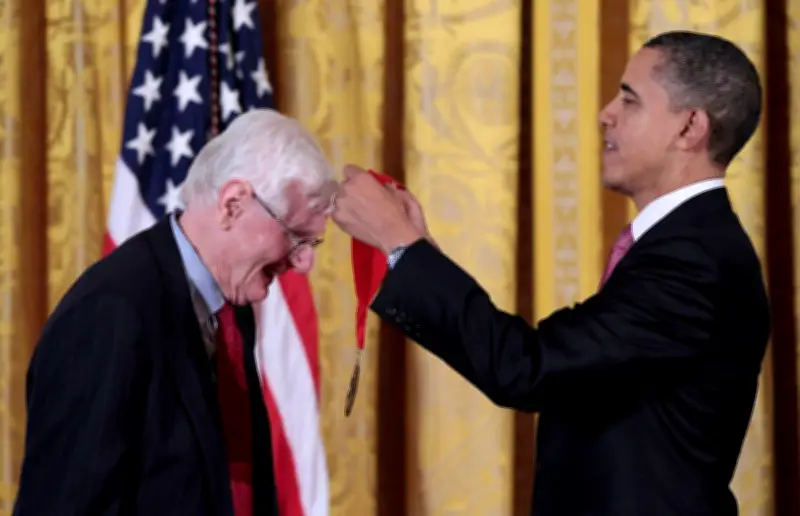
In 2011, President Barack Obama awarded Wood the National Humanities Medal at a White House ceremony. The medal recognized his contributions to the understanding of American history. Wood also received the Bancroft Prize and the Pulitzer Prize for History in 1993 for The Radicalism of the American Revolution.
Influence on American History
Wood's scholarship emphasized the radical nature of the American Revolution, challenging earlier interpretations that focused on elite political leaders. He highlighted the role of ordinary people, including farmers and artisans, in shaping the new nation's democratic ideals. His books, such as The Creation of the American Republic, 1776-1787 and Empire of Liberty: A History of the Early Republic, 1789-1815, remain essential reading for students of American history.
Personal Life and Death
Wood is survived by his wife, children, and grandchildren. Brown University plans to hold a memorial service to honor his life and work. Colleagues and former students have expressed their condolences, noting his profound impact on the field of history.
Wood's death marks the end of an era in American historical scholarship. His insights into the revolutionary period will continue to influence historians for decades to come.