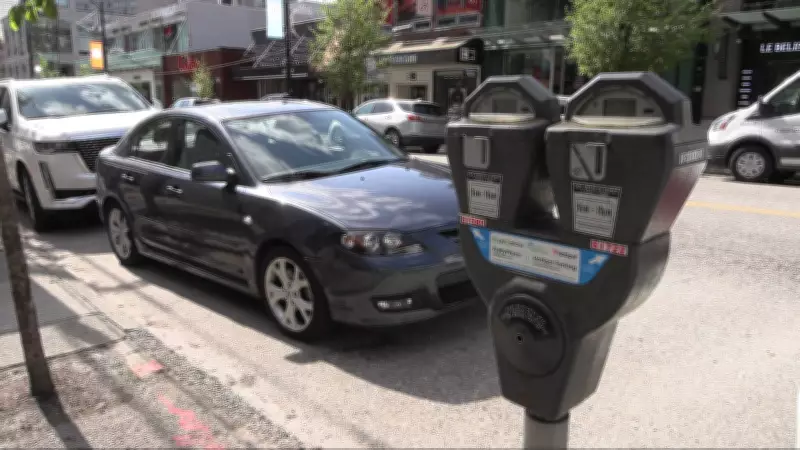
Vancouver Phases Out Coin Payments for Parking Meters and Pay Stations
The City of Vancouver has announced a significant shift in its parking infrastructure, confirming that it will eliminate the option to pay with coins at all parking meters and pay stations across the municipality. This move, set to be fully implemented by 2026, marks a decisive step toward modernizing the city's transportation payment systems and aligning with broader digital trends.
Transition to Digital and Card-Based Payments
Starting immediately, Vancouver will begin phasing out coin-operated mechanisms in favor of digital payment methods. This includes credit and debit cards, mobile payment apps, and contactless tap options. The decision aims to streamline the parking experience for residents and visitors, reducing the need for physical currency and enhancing convenience.
City officials emphasize that this change is part of a larger strategy to improve efficiency and reduce maintenance costs associated with coin collection and machine upkeep. By adopting more reliable and secure payment technologies, Vancouver hopes to minimize downtime and vandalism incidents that have historically plagued older coin-based systems.

Impact on Drivers and Local Economy
While the transition may pose initial challenges for some individuals accustomed to using coins, the city plans to roll out extensive public awareness campaigns to educate users on the new payment options. Additional support will be available through customer service channels and on-site assistance during the implementation phase.
The shift is expected to have positive ripple effects on the local economy by encouraging faster transaction times and reducing congestion around parking areas. Moreover, it aligns with Vancouver's sustainability goals by potentially decreasing the environmental footprint linked to coin production and transportation.
Broader Context and Future Plans
This initiative places Vancouver among a growing number of cities worldwide that are moving away from cash-based parking systems. The city's transportation department has indicated that future upgrades may include integrated smart parking solutions, such as real-time availability tracking and dynamic pricing models, to further optimize urban mobility.
Residents and businesses are encouraged to provide feedback during the transition period, as the city remains committed to ensuring a smooth and inclusive adoption process for all stakeholders involved.