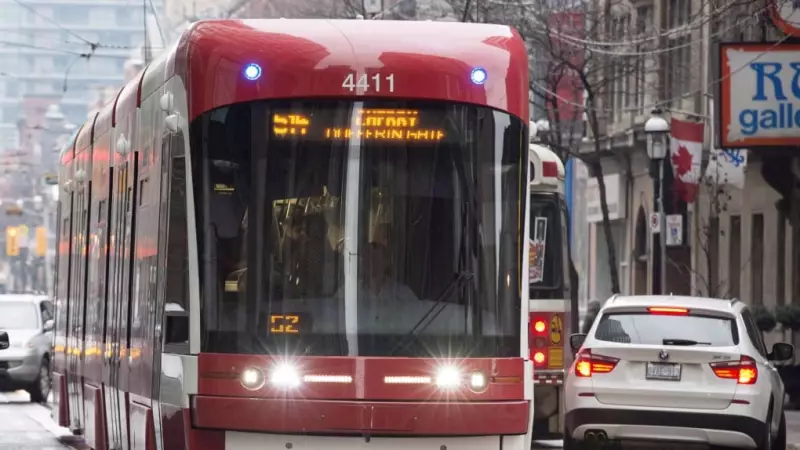
In a counterintuitive trend for Canada's largest city, ridership on the Toronto Transit Commission (TTC) declined this past fall. This drop occurred despite a widespread push by employers across the Greater Toronto Area to implement stricter return-to-office policies for their workers.
A Surprising Dip in Passenger Numbers
The period, which typically sees a post-summer rebound in commuter activity, instead witnessed a reduction in people using the city's public transit system. This development raises questions about shifting work patterns, the lasting impact of remote work adoption, and other factors influencing daily commutes in Toronto. The information was confirmed in an update that also covered holiday service schedules.
Holiday Schedules and New Year's Eve Service
In related transit news, TTC spokesperson Stuart Green provided details on upcoming holiday operations. Notably, the TTC will offer free service on New Year's Eve, a tradition aimed at encouraging safe travel for revellers celebrating the arrival of 2026. Green outlined the adjusted schedules that will be in effect during the holiday period, reminding riders to plan their trips ahead of time.

The juxtaposition of declining fall ridership against the backdrop of mandated office returns suggests the relationship between workplace policy and transportation use has become more complex. Analysts may point to a rise in hybrid work models, where employees split time between home and office, potentially reducing the number of five-day-a-week commuters. Other factors could include economic conditions, fare prices, or alternative transportation choices.
Context and Implications for Urban Planning
This ridership data presents a significant point of analysis for city planners and the TTC itself. Forecasting demand and allocating resources effectively requires understanding these new travel patterns. The decline, if it becomes a sustained trend, could have implications for municipal funding, service planning, and the city's broader environmental and congestion goals, which rely on robust public transit use.
The update from the TTC, delivered on December 25, 2025, serves as a key data point in the ongoing story of how Canadian cities are adapting in the post-pandemic era. The coming months will reveal whether this fall's ridership dip was an anomaly or the beginning of a new normal for commuting in Toronto.