Sudbury's Pothole Plague Coincides with CAA's Annual Worst Roads Competition
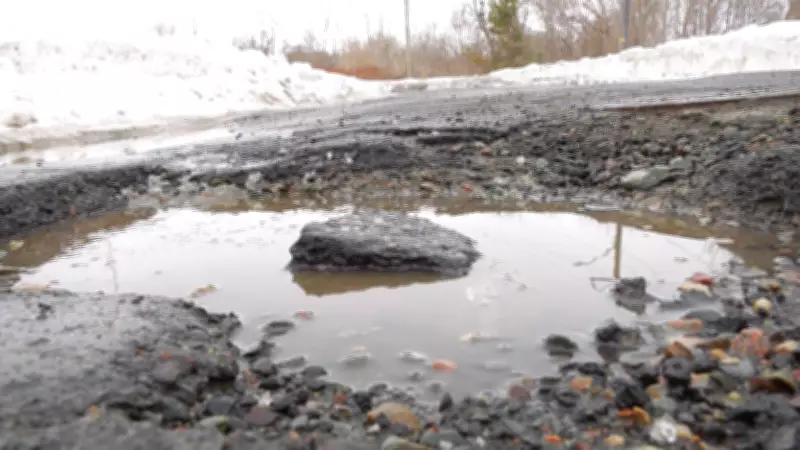
As winter snow melts away across Northern Ontario, Greater Sudbury residents are confronting a familiar yet increasingly severe problem: potholes. Local drivers report that road conditions have deteriorated to their worst state in years, with many hazardous craters previously concealed beneath snow now fully exposed. This annual unveiling of pavement damage aligns precisely with the launch of the Canadian Automobile Association's (CAA) Worst Roads competition, a public initiative that allows citizens to nominate and vote on the most problematic thoroughfares in the province.
Resident Frustrations Reach Boiling Point
Fed up motorists describe navigating Sudbury's streets as an obstacle course, with potholes causing vehicle damage, safety concerns, and significant inconvenience. "The roads are in terrible shape this spring," one resident noted, echoing widespread sentiment. The combination of freeze-thaw cycles, heavy winter precipitation, and aging infrastructure has created a perfect storm for pavement degradation. Many argue that maintenance efforts have failed to keep pace with the accelerating wear and tear.
CAA Competition Serves as Civic Outlet
The timing of CAA's Worst Roads competition provides residents with a structured platform to voice their concerns. Now in its annual cycle, the contest invites Ontario drivers to identify problematic roads through an online voting system. Historical data shows that roads receiving the most nominations often gain attention from municipal authorities, sometimes leading to accelerated repair schedules. For Sudbury residents, participation offers both catharsis and potential influence over infrastructure priorities.

Broader Infrastructure Challenges
Sudbury's pothole crisis reflects larger municipal infrastructure challenges across Northern Ontario. Limited budgets, harsh climate conditions, and expanding urban footprints strain maintenance capabilities. Experts suggest that without increased investment in road rehabilitation and innovative paving technologies, the annual pothole season will continue to worsen. The visibility provided by CAA's competition highlights these systemic issues, putting pressure on local governments to develop sustainable solutions.
As voting begins for Ontario's worst roads, Sudbury's battered streets are likely to feature prominently in the competition. The convergence of seasonal road damage and civic engagement through CAA's initiative underscores the urgent need for infrastructure attention in Northern Ontario communities.