Montreal's public transit authority is sounding the alarm, revealing that a recent six-percent funding increase from the city still leaves a gap of hundreds of millions of dollars required for essential maintenance of the métro system. The Société de transport de Montréal (STM) made its $1.8-billion budget proposal for 2026 public, a plan that includes significant austerity measures.
Budget Cuts and Delayed Green Transition
The newly unveiled financial blueprint outlines difficult choices for the coming year. The STM will eliminate 300 positions, primarily through attrition, as part of its cost-saving strategy. In a move that impacts its environmental goals, the agency is also delaying its planned transition to a fully electric bus fleet. This setback comes amid broader pressures on public transit funding across Quebec.
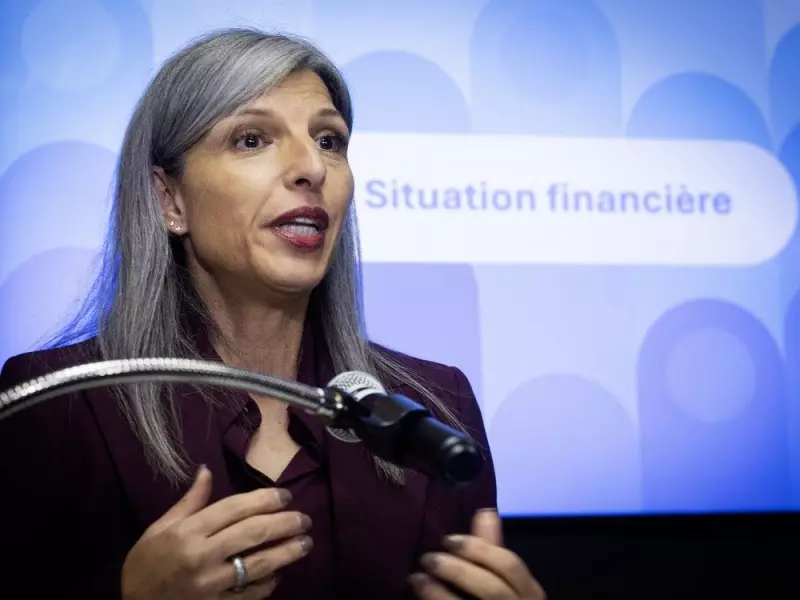
STM board chair Aref Salem presented the budget on Monday, January 12, 2026. While he expressed pride in avoiding immediate, drastic cuts to bus or métro service levels, he underscored deep concerns about the network's aging infrastructure. "We’re going to be talking a lot about maintenance of infrastructures in the next few months," Salem warned, pointing to the deteriorating state of métro tunnels, stations, and the old MR-73 model train cars.

Call for Federal and Provincial Intervention
Salem emphasized that the City of Montreal has increased its contribution to the regional transit authority (ARTM) by $45.7 million, but this is insufficient to address the systemic funding shortfall. He stated that the responsibility now lies with higher levels of government. The STM is calling on Quebec and Ottawa to negotiate a deal to access a portion of the federal government's $30-billion national public transit fund, of which roughly $5 billion has already been committed to other provinces.
"It is up to the provincial and federal governments to step up with the necessary funds," Salem asserted, highlighting the urgent need for matched funding to direct resources to Montreal's critical transit needs.
Executive Salary and Ongoing Labour Disputes
The budget announcement also revived questions about executive compensation at the STM. CEO Marie-Claude Léonard's $474,000 salary, a point of criticism during the last municipal election, was addressed by Salem. Standing beside Léonard, he confirmed that her salary and those of other top managers would be evaluated by professionals in the coming months. He noted she had not received a raise since 2022, a claim contested by a recent La Presse report indicating a six-percent increase in 2025.
Salem defended the process, stating, "The priority was to negotiate new contracts with the unionized employees... we can’t come in the middle of the contract and say we will cut it by 30 per cent."
Meanwhile, the transit agency remains entangled in a labour dispute with its maintenance workers, who recently completed a fourth strike action by refusing all overtime. CEO Léonard expressed hope for a negotiated settlement by month's end but acknowledged the abnormality of relying on overtime to meet basic operational needs. "It shows we need greater flexibility in establishing work schedules," she said. The union contends the STM's dependence on overtime proves it is understaffed and should halt its job reduction plans.
The 2026 budget lays bare the financial tightrope the STM must walk, balancing service preservation, essential infrastructure upkeep, and workforce management, all while awaiting a lifeline from other levels of government.