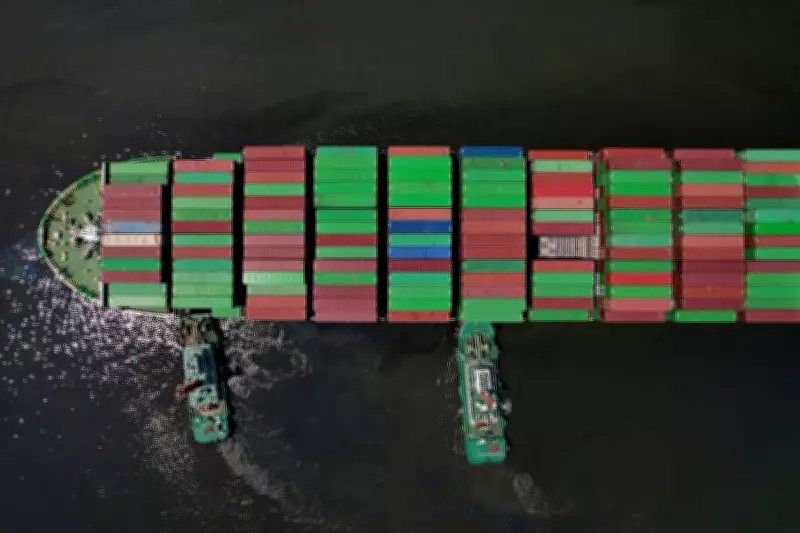
The global shipping industry is facing growing concerns over potential fuel shortages as the ongoing conflict in Iran tightens the supply of bunker fuel, a critical component for maritime operations. The Associated Press reports that the situation has escalated following recent military engagements in the region, which have disrupted refining and distribution networks.
Impact on Global Trade
Bunker fuel, used to power commercial vessels, is essential for international trade. With Iran being a significant player in the global oil market, any disruption in its production or export capacity sends shockwaves through the shipping sector. Analysts warn that prolonged shortages could lead to higher freight costs, delayed deliveries, and increased pressure on supply chains already strained by geopolitical tensions.
Industry Response
Shipping companies are now scrambling to secure alternative fuel sources, including exploring options from other major producers in the Middle East and beyond. Some firms are considering rerouting vessels to avoid conflict zones, though this may extend transit times and further exacerbate fuel consumption. The International Maritime Organization has urged member states to monitor the situation closely and ensure that essential maritime traffic continues unimpeded.

Meanwhile, port authorities in key hubs such as Singapore and Rotterdam are preparing for potential bottlenecks as ships adjust their schedules. The crisis underscores the vulnerability of global shipping to regional conflicts and highlights the need for diversified energy sources in the maritime industry.