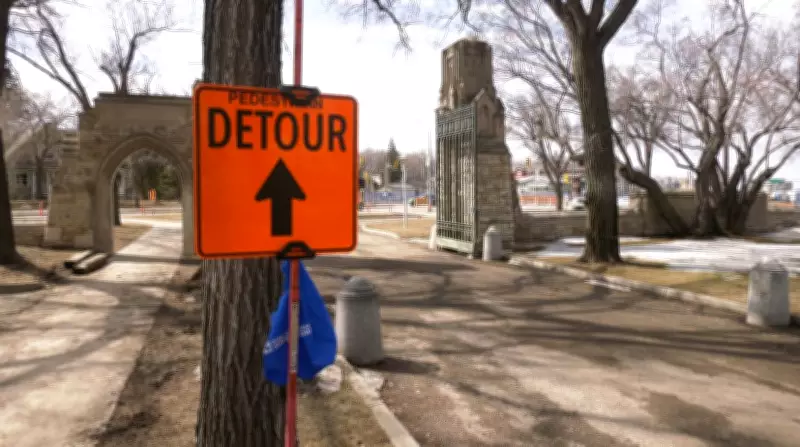
Saskatoon Commuters Navigate Long-Term Traffic Restrictions on College Drive
Residents of Saskatoon are adjusting to significant and prolonged traffic restrictions on College Drive, a major artery in the city, as local authorities enforce measures that are expected to reshape daily commuting patterns for the foreseeable future. The restrictions, which have been implemented to address infrastructure upgrades or safety concerns, are causing notable disruptions for drivers, cyclists, and pedestrians alike, prompting a shift in travel habits and increased reliance on alternative routes.
Impact on Daily Commutes and Local Travel
The long-term nature of these traffic controls means that Saskatoon commuters must plan for extended periods of altered travel times and routes. College Drive, known for its high volume of traffic, is experiencing reduced lanes or full closures in certain sections, leading to congestion on parallel streets and affecting access to key areas such as schools, businesses, and residential neighborhoods. This has spurred discussions among community members about the necessity of the restrictions and their potential benefits for future transportation efficiency and safety.
Community Response and Adaptation Strategies
In response to the ongoing changes, many Saskatoon residents are exploring various adaptation strategies to mitigate the impact on their daily routines. These include:

- Increased use of public transit: More people are opting for buses or other transit options to avoid the hassle of navigating restricted areas.
- Carpooling and ride-sharing: To reduce the number of vehicles on the road and ease congestion, carpooling initiatives are gaining popularity.
- Alternative transportation modes: Cycling and walking have seen a rise as viable alternatives for shorter trips, promoting healthier and more sustainable travel habits.
- Adjusting work schedules: Some commuters are shifting their work hours to avoid peak traffic times, helping to spread out the flow of vehicles throughout the day.
Local authorities have emphasized that these restrictions are part of a broader effort to improve infrastructure and enhance safety on College Drive. While the adjustments may pose challenges in the short term, they are designed to yield long-term benefits such as reduced accident rates, smoother traffic flow, and upgraded road conditions. Officials are encouraging residents to stay informed through updates and to provide feedback to help refine the implementation process.
Looking Ahead: Future Implications for Saskatoon Transportation
As Saskatoon continues to grow, the experience with College Drive traffic restrictions may inform future transportation policies and projects. The city is likely to consider similar measures in other high-traffic areas, balancing the need for development with the daily needs of commuters. This situation highlights the importance of proactive planning and community engagement in urban transportation management, ensuring that changes are both effective and responsive to public concerns.
Overall, while the long-term traffic restrictions on College Drive present immediate hurdles for Saskatoon commuters, they also offer an opportunity for the community to innovate and adapt, potentially leading to a more resilient and efficient transportation network in the years to come.